
In extreme sports, the thrill lies in the fine line between mastery and disaster. Athletes chase adrenaline across steep mountains, dirt trails, urban skylines, and even open air with wingsuits. But every flip, jump, or trick carries risk. Historically, pushing boundaries came at a cost: broken bones, concussions, torn ligaments, and bruised egos. Enter virtual reality. What was once the domain of gamers is now the ultimate training arena, offering immersive, realistic, and risk-free experiences. VR allows athletes to rehearse stunts in lifelike simulations, repeat maneuvers endlessly, and refine techniques without ever touching the ground.
The technology is transforming the way athletes approach practice, combining physical conditioning, cognitive training, and mental preparation into a seamless, data-driven experience. From snowboarding and skateboarding to parkour and motocross, VR is redefining what “training” means in high-risk sports.
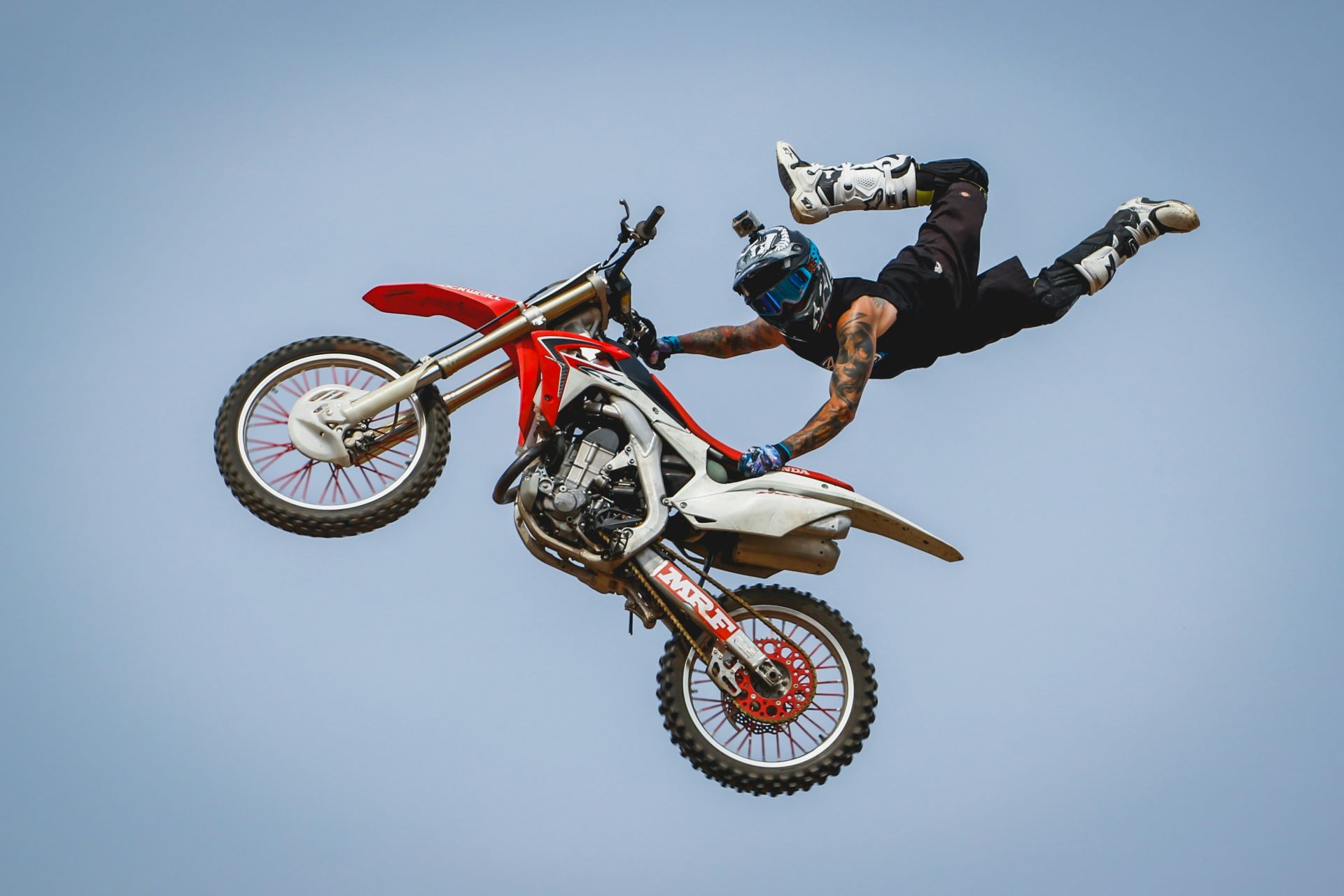
The Rise of VR in High-Stakes Training
VR has matured far beyond flashy visuals or novelty experiences. Modern headsets, integrated haptic feedback, full-body motion tracking, and AI-driven simulations replicate the full sensory load of extreme sports environments. Every gust of wind, uneven terrain, or subtle slope variation can be simulated, giving athletes a chance to react naturally.
Extreme sports training is inherently dangerous. In BMX or skateboarding, falls are frequent and sometimes catastrophic. In freestyle skiing, landing a jump incorrectly can result in torn ACLs or concussions. VR offers a solution: controlled, repeatable, consequence-free practice. Athletes can test the boundaries of their skills, experiment with new techniques, and fail repeatedly without risk.
Even stunt performers in the film and entertainment industry have adopted VR to rehearse dangerous maneuvers. For live-action stunts, a single misstep can cause life-altering injuries. VR allows rehearsal under variable conditions, from changing weather to moving obstacles, without physical danger.
Immersive Skill Enhancement
Repetition is the cornerstone of skill development, but high-risk sports limit practice opportunities. Snowboarders cannot spend every day jumping off cliffs safely, and motocross riders cannot safely attempt every trick at full speed. VR solves this by offering endless repetitions without physical strain. Motion capture systems track an athlete’s movements and provide real-time feedback on balance, posture, and timing. Every session generates data to highlight errors, measure improvement, and guide precise adjustments.
Cognitive development is equally important. Extreme sports demand split-second decisions. VR allows athletes to simulate variable scenarios, introducing obstacles, environmental changes, or competitive elements. Athletes build mental agility, improve reaction time, and enhance decision-making under pressure, all within a safe virtual environment.
Professional skateboarders, for example, can virtually rehearse urban courses before touching a rail or stair set in reality. Freestyle skiers can practice aerial tricks on virtual jumps, adjusting speed, rotation, and landing techniques repeatedly. Over time, these immersive simulations translate into improved physical execution in real-world conditions.
Realism Meets Safety
One of the greatest challenges in extreme sports training is achieving realism while minimizing risk. VR has revolutionized this. Modern systems combine ultra-high-resolution graphics with physics engines that mimic real-world dynamics. Haptic suits, force-feedback gloves, and motion-sensitive boards allow athletes to feel acceleration, wind resistance, and impact without suffering injuries.
Snowboarders can experience powder turns, icy patches, and sudden drops, learning to adjust posture and edge control. Motocross riders can practice jumps, landings, and turns on simulated dirt tracks. Stunt performers can explore complex sequences before ever stepping on a real set. VR bridges the gap between mental preparation and physical execution, ensuring athletes are ready for real-world unpredictability.
Some cutting-edge VR systems now integrate environmental sensors to simulate weather and terrain changes. Imagine a snowboarder feeling virtual gusts of wind while practicing a halfpipe, or a BMX rider encountering simulated rain-slicked ramps. The result is training that feels real but remains consequence-free.
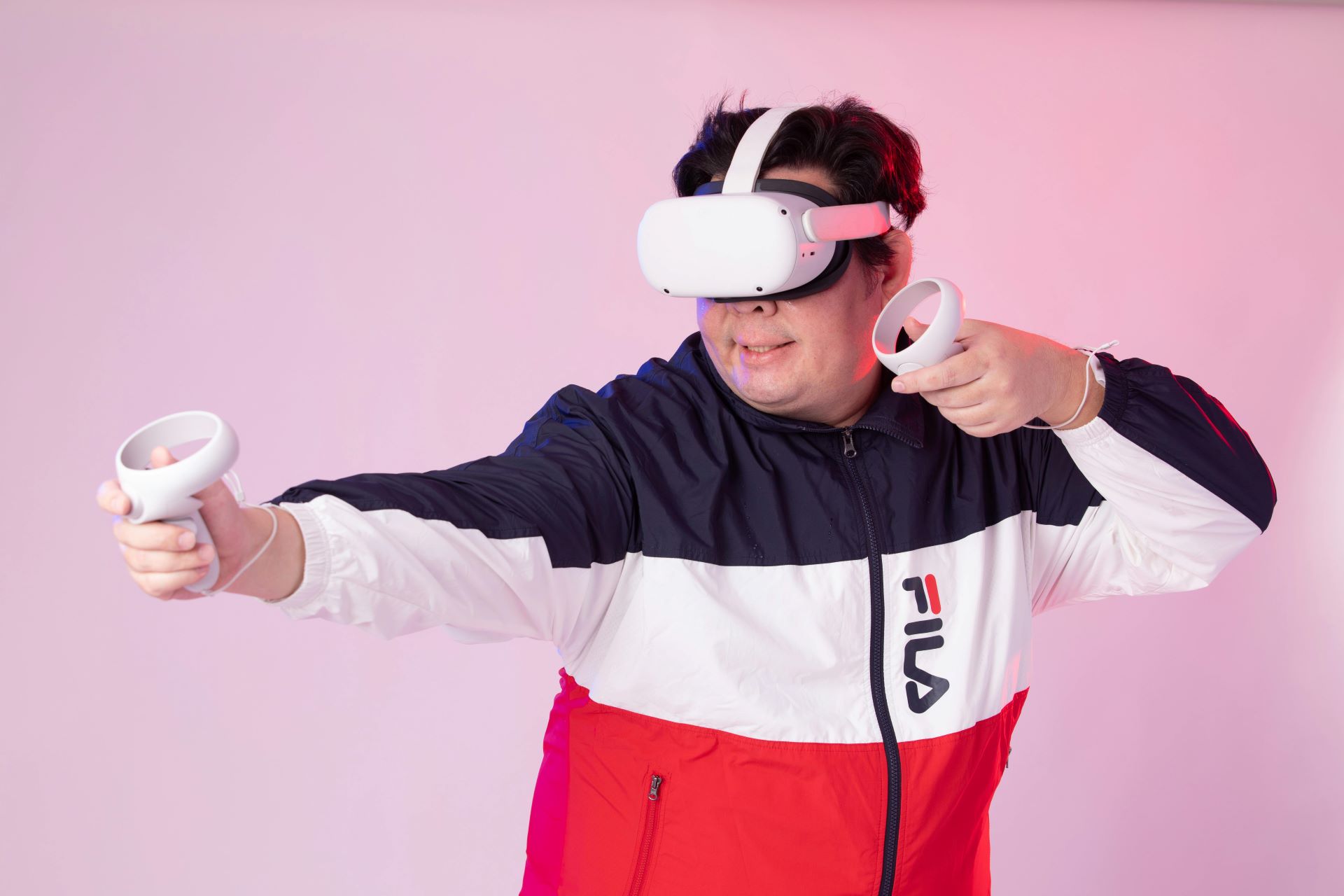
Hybrid Training: VR Meets Reality
While VR is transformative, it complements rather than replaces physical practice. Real-world training develops muscle memory, stamina, and kinesthetic awareness, while VR focuses on risk-free rehearsal, cognitive conditioning, and technique refinement. Many elite athletes now adopt hybrid schedules, balancing virtual and physical sessions to maximize efficiency.
Analytics further enhance training. VR platforms track thousands of metrics, from joint angles to reaction times, giving coaches and athletes granular insights into performance. Training becomes highly personalized, reducing trial-and-error injuries and targeting specific weaknesses. AI-driven simulations can even adapt difficulty levels automatically, ensuring progressive challenges without overwhelming the athlete.
Professional motocross riders, for instance, have reported significant improvement in jump timing and mid-air corrections after integrating VR into training. Skateboarders can master complex rail combinations virtually, cutting the learning curve when moving to actual ramps. The combination of VR practice and physical execution optimizes skill acquisition while maintaining safety.
Psychological Conditioning and Confidence Building
Extreme sports are as much about mental toughness as physical skill. Fear, hesitation, and anxiety can hinder performance, even in highly trained athletes. VR allows athletes to confront high-risk scenarios repeatedly, building confidence and desensitizing fear responses. Practicing dangerous stunts virtually reduces psychological barriers, allowing athletes to execute maneuvers more confidently in reality.
VR can simulate not just environmental factors but also social and competitive pressures. Virtual crowds, opponent simulations, and dynamic weather conditions prepare athletes for real-world scenarios. This mental rehearsal fosters resilience, decision-making under stress, and focus—critical factors in high-stakes sports.
Case Studies and Real-World Impact
Several extreme sports disciplines have already embraced VR for training.
Snowboarding: Top-level snowboarders use VR to simulate competitive halfpipe runs. Motion capture and haptic feedback allow them to rehearse tricks thousands of times, refining rotation, balance, and landing technique without injury risk. Coaches analyze performance data to fine-tune technique and reduce error margins.
Motocross and BMX: Riders face unpredictable terrain and high-impact jumps. VR simulations replicate dirt tracks, obstacles, and weather conditions. Riders can experiment with line choices and timing strategies without fear of crashing. Data analytics track jump angles, acceleration, and posture to guide improvement.
Parkour: Urban freerunners face extreme risks when navigating rooftops and complex obstacles. VR offers a safe space to rehearse sequences, analyze motion, and perfect landings. Athletes can simulate diverse environments, from cityscapes to industrial complexes, building creativity and spatial awareness safely.
Stunt Coordination: Film studios increasingly use VR to plan dangerous sequences. Actors and stunt doubles rehearse stunts virtually, allowing directors to choreograph sequences precisely. This reduces injury risk and increases production efficiency, all while enhancing creative possibilities.
The Future of VR in Extreme Sports
The potential for VR in extreme sports is only beginning to be realized. Advances in AI, haptic technology, and environmental simulation promise even more sophisticated training platforms. Adaptive AI opponents, dynamically shifting terrain, and multi-sensory feedback will create fully immersive, responsive training ecosystems.
Imagine motocross riders facing AI-driven competitors that adapt in real-time, or snowboarders navigating courses that evolve with skill level and environmental complexity. Future VR systems may combine augmented reality overlays with real-world practice, blending the virtual and physical seamlessly for ultimate skill refinement.
VR will also democratize extreme sports training. Geographic, financial, and safety limitations have traditionally restricted access to elite training facilities. VR allows athletes worldwide to practice at high levels, receive remote coaching, and access realistic scenarios previously out of reach. This could expand talent pipelines, diversify disciplines, and elevate performance standards globally.

Virtual reality is redefining the landscape of extreme sports training. By providing realistic, risk-free environments, VR allows athletes to push boundaries, refine techniques, and enhance mental resilience without fear of injury. Combined with traditional training, analytics, and cognitive conditioning, VR represents a holistic approach to mastery.
As technology advances, virtual arenas will become essential proving grounds. Athletes will land tricks with precision, master complex sequences effortlessly, and explore creative possibilities previously limited by safety concerns. In the future of extreme sports, VR will not just simulate reality—it will elevate performance, transform training, and redefine what is possible.
The high-octane world of extreme sports has found its safest thrill yet: immersive, risk-free, hyper-realistic VR. The only thing left is to jump in—and virtually soar.