
The Hardware Frontier of Immersive Tech
2026 is shaping up as a watershed year for virtual reality hardware. What once felt like a niche adjunct to gaming and simulation is now evolving into a robust, multidisciplinary ecosystem with tangible impact across enterprise, healthcare, social engagement, and entertainment. The narrative of VR is shifting from vaporware fantasies and bulky prototypes to nimble, powerful devices that finally deliver on the medium’s original promise: presence without compromise.
This year’s wave of hardware innovations isn’t incremental. It’s foundational. Improved optical systems, refined ergonomics, sophisticated tracking, and full‑body haptic interfaces are expanding what’s possible in virtual spaces. More than flashy product launches, these advancements signal a maturation in the way VR systems integrate with the human body and mind. They’re about fidelity of experience, not just metrics on a spec sheet.
In this deep dive, we explore the most significant VR hardware innovations to watch in 2026. We’ll look at the newest headsets hitting the market, the evolution of haptic systems that stimulate touch and motion, and the cutting‑edge tracking devices that promise seamless interaction. Along the way, we’ll unpack why these technologies matter and how they’re preparing VR for broader adoption and real‑world utility.
Reimagining the Headset: More Power, Less Weight
Streamlined Optics and Wider Visual Fields
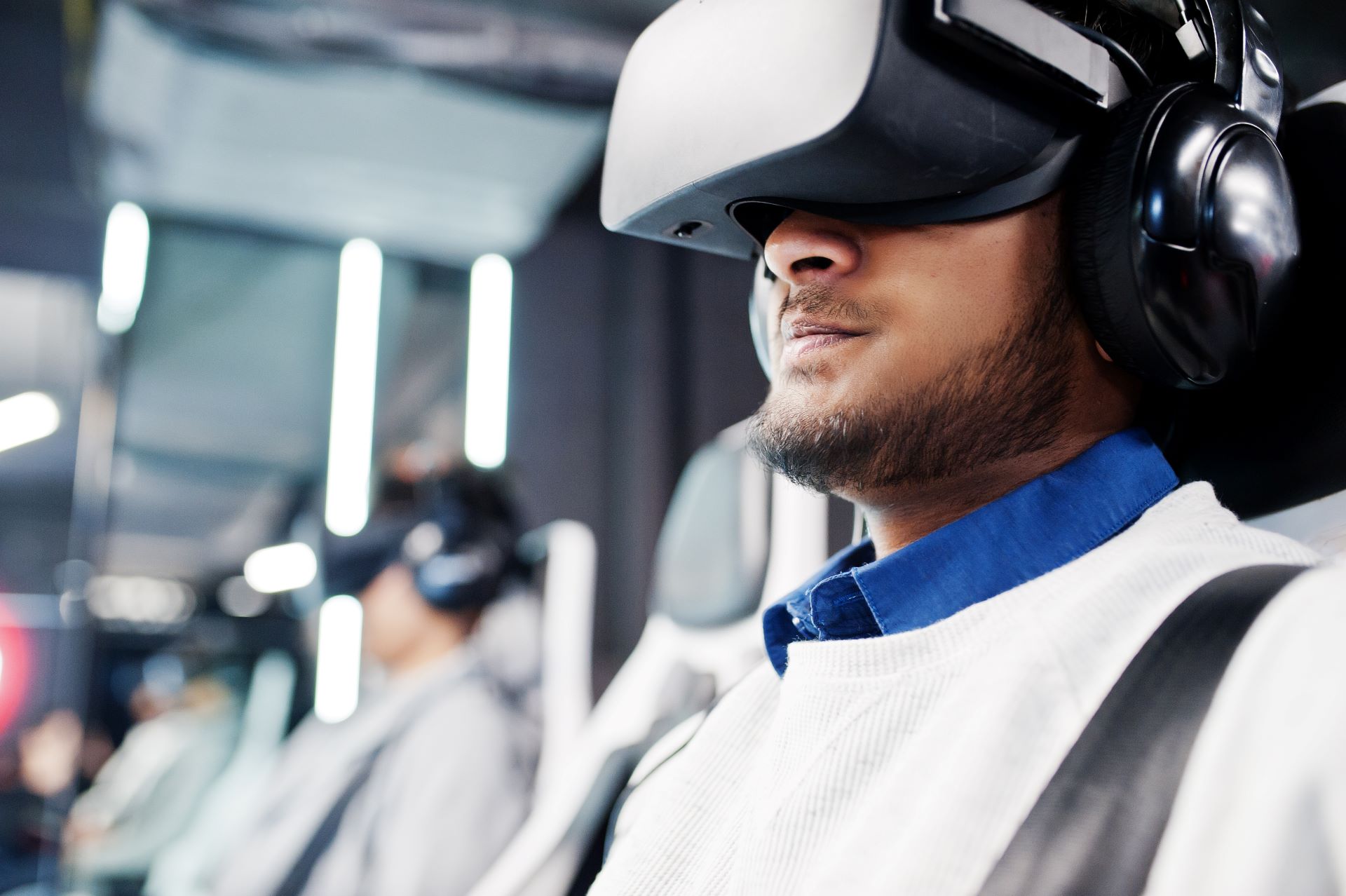
Headsets have always been the heart of VR, and in 2026 we’re witnessing a leap forward in optical design. Manufacturers are moving past the Fresnel lens paradigm toward next‑generation waveguide and pancake lens systems that shave weight while widening fields of view. That matters because the wider your field of view, the closer the illusion feels to real life.
These optical innovations deliver richer peripheral vision without sacrificing sharpness. Designers have tackled chromatic aberration and edge distortion, two long‑standing issues that often broke immersion. With advancements in microstructured surfaces and adaptive lensing, users now experience clearer visuals closer to natural human sight.
Beyond visual performance, ergonomics is a central theme. Headsets are shedding ounces without sacrificing battery life or compute power. Lightweight form factors paired with adjustable fit systems bring extended use — long VR sessions — into the realm of comfort rather than endurance.
Standalone Performance and AI‑Driven Rendering
The shift toward standalone headsets continues unabated, but 2026 sees a new breed of all‑in‑one units powered by dedicated VR silicon and AI offloading. These chips are purpose‑built for volumetric rendering, dynamic foveated rendering, and real‑time environmental understanding.
AI is not just a buzzword here. Machine learning algorithms predict where users are looking and allocate rendering resources accordingly. That means rock‑solid framerates with reduced thermal strain, smoother visuals, and less power draw. Users can enjoy wireless, tether‑free VR worlds with graphics quality that approaches entry‑level gaming PCs.
This blend of custom silicon and AI optimizes not only performance but also thermal efficiency — a crucial factor for comfortable, sustained use. Already, reviews from early adopters highlight significant gains in battery endurance and graphical fidelity compared to previous generations.
Modular Headsets: Customization Meets Scalability
A new hardware philosophy gaining traction in 2026 treats the headset not as a monolithic device but as a modular system. These headsets allow users to swap components — optical modules, audio units, sensor arrays — much like upgrading a PC.
This modularity confers flexibility. Enterprises can tailor VR rigs to training or simulation use cases by equipping advanced tracking modules or enhanced audio systems. Gamers, on the other hand, can prioritize performance or comfort modules depending on their preferences.
By decoupling hardware components, manufacturers also future‑proof devices. Rather than replacing an entire headset, users can upgrade discrete parts. This is a potentially big step toward sustainability in an industry that has often been criticized for rapid obsolescence.
Haptic Feedback: From Sensation to Emotion
Full‑Body Haptic Suits: Immersion Beyond Vision
The term “full‑body haptic suit” once sounded like sci‑fi hyperbole. Today, these suits are tangible products in active development and early deployment. They move beyond rudimentary vibration to deliver complex feedback patterns across the body, mimicking sensations such as wind gusts, impacts, and temperature gradients.
Using arrays of actuators distributed across limbs and torso, these suits translate virtual interactions into physical sensations. A punch in a VR boxing simulator doesn’t just register as a number — it produces a real, nuanced feedback pattern. This depth of tactile simulation transforms passive observation into embodied experience.
Engineers are pairing these suits with biometric feedback loops that adjust intensity based on heart rate and motion data. This adaptive sensation system keeps experiences grounded and comfortable, preventing fatigue or sensory overload during extended sessions.
Precision Tactile Gloves: Feeling Every Detail
If full‑body suits map macro sensations, haptic gloves dial in the micro. These gloves use a combination of force feedback, small actuators, and tactile arrays to simulate the weight, texture, and resistance of virtual objects.
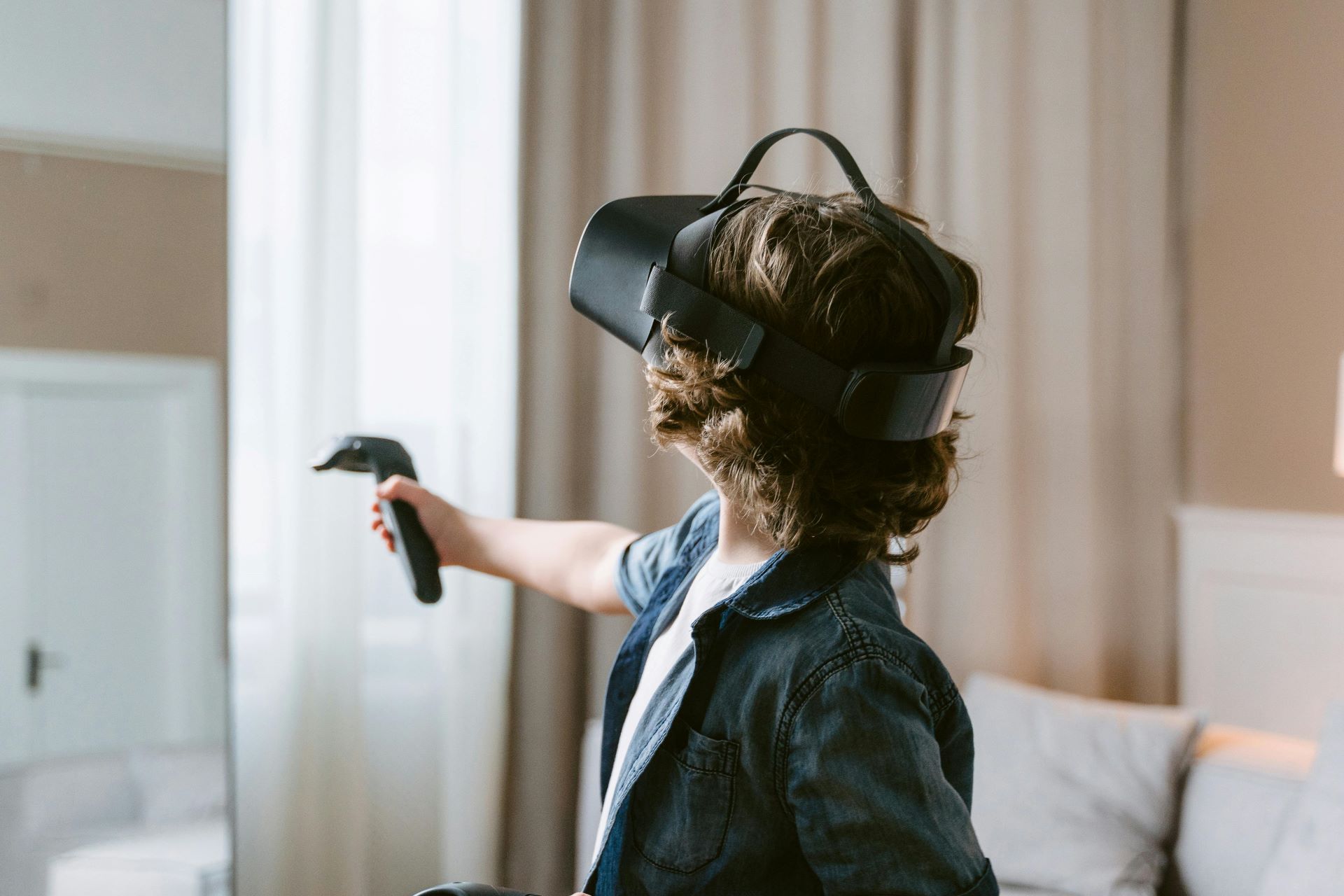
Where traditional controllers reduce interaction to buttons and triggers, haptic gloves allow users to pinch, grab, feel resistance, and curl fingers around virtual tools or objects. In design studios, this promises a leap in realism; artists and engineers can sculpt shapes as though they’re touching clay.
Unlike earlier glove prototypes that compromised hand mobility for feedback fidelity, 2026 models are remarkably dexterous and lightweight. Reduced wiring, advanced material science, and wireless protocols make them practical accessories rather than experimental curiosities.
Sensory Augmentation: Thermal and Pressure Feedback
Beyond vibration and force, haptic hardware is now incorporating thermal and pressure cues. Imagine a VR forest where cool breezes brush your arms or a desert where heat radiates through your suit. These subtle sensory cues enrich immersion and strengthen the brain’s sense of presence.
Thermal modules embedded in suits or peripherals use safe, controlled temperature shifts to mimic environmental conditions. Pressure feedback systems, meanwhile, provide nuanced resistance, enhancing the realism of grasping or pushing virtual surfaces.
These sensory augmentations, when thoughtfully integrated, can improve accessibility too. Users with limited mobility or sensory sensitivity may experience better calibration options, allowing a tailored intensity level that suits their comfort and immersion thresholds.
Motion Tracking: The New Language of Interaction
Inside‑Out Tracking Refined
Motion tracking has always been a cornerstone of VR’s promise: the assurance that your virtual body reflects your real one. In 2026, inside‑out tracking — where the headset itself interprets movement — has matured to unparalleled precision.
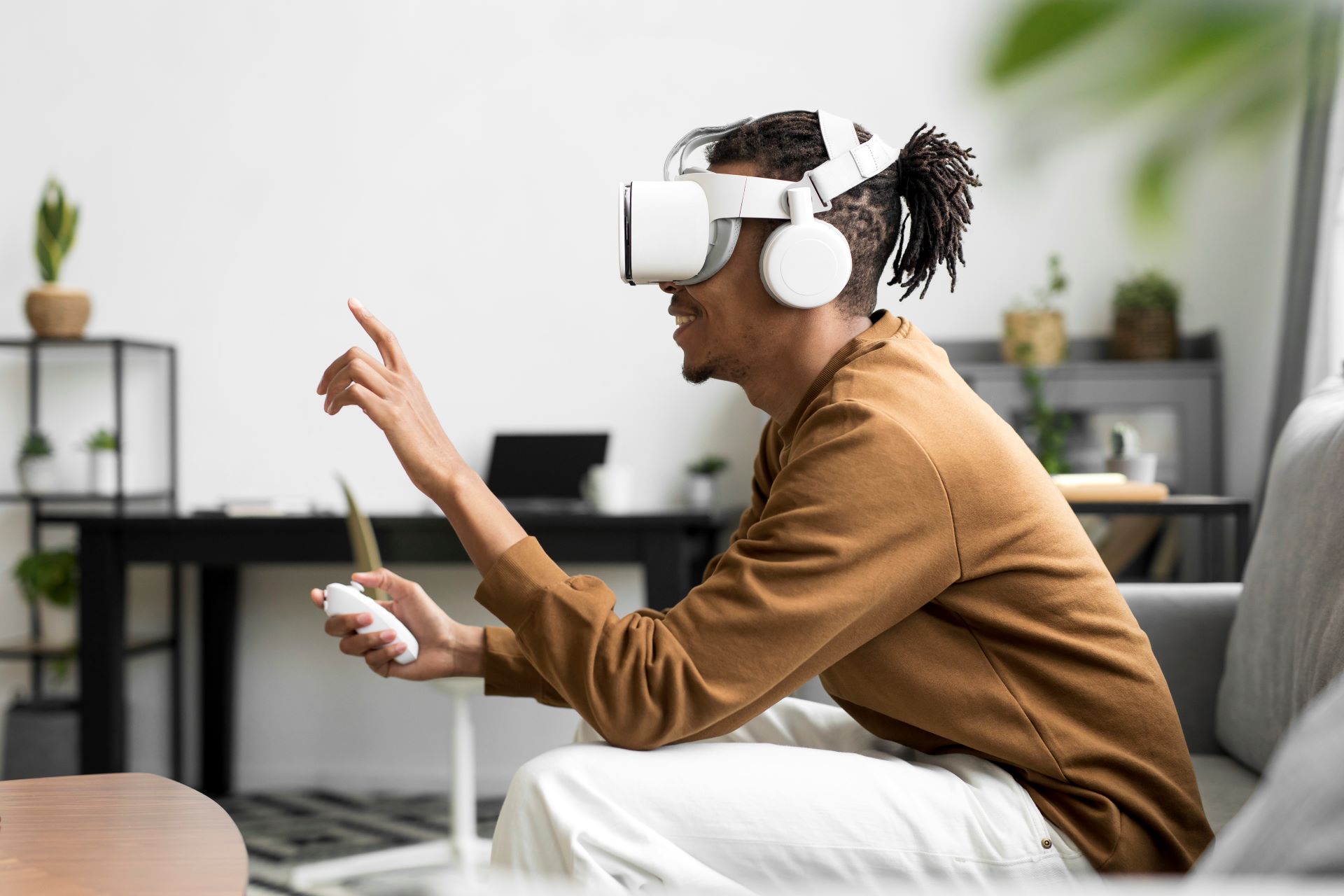
New sensor arrays, paired with ultra‑wide field cameras and AI‑assisted object recognition, map user motion with minimal latency. Gone are the days when external base stations were essential for accurate tracking. Now, headsets can interpret complex gestures, subtle wrist movements, and full‑body posture using onboard systems alone.
This refinement is more than technical trivia. It liberates users from bulky station setups, expands usable play area, and simplifies social VR interactions. When hand gestures register instantly and accurately, communication feels natural rather than mechanistic.
Full‑Body Tracking Suits: Redefining Presence
Alongside head‑mounted inside‑out tracking, dedicated full‑body tracking suits are coming into mainstream use. Unlike early tracker rigs that relied on scattered beacons or cumbersome attachments, these suits unify tracking into a seamless fabric of sensors.
Miniature inertial measurement units (IMUs) woven into garments monitor limb orientation and motion with uncanny fidelity. Combined with machine learning that accounts for body dynamics, these systems model avatars that move organically and responsively.
For dance training, apparel fitting, physical therapy, and choreography, this level of tracking transforms utility. In collaborative virtual environments, participants can read body language, posture, and expressiveness — elevating social presence beyond head‑and‑hand interactions.
Environmental Awareness and Mixed Reality
VR tracking in 2026 isn’t just about interpreting a user in isolation; it’s about situational context. Advanced environmental awareness blends virtual and physical spaces with astonishing nuance. Headsets can recognize room layouts, obstacles, and surfaces dynamically, enabling spatial anchors and mixed reality experiences that respect your real‑world environment.
This is particularly transformative for safety and comfort. Users can engage in more energetic experiences without fear of colliding with furniture or walls. At the same time, optional mixed reality modes allow creators to blend physical and digital elements in creative ways — envision AR overlays that respond to physical spaces during VR storytelling or training scenarios.
Beyond Gadgets: The Ecosystem That Matters
Interoperability and Cross‑Platform Standardization
A big story in 2026 isn’t just the hardware itself, but how these devices play together. Industry leaders and standards bodies are coalescing around interoperability protocols that allow content and peripherals to work across ecosystems.
In practical terms, that means haptic suits designed for one platform can function with headsets from another. Motion tracking data formats are converging. Developers can build once and deploy widely. This cross‑pollination accelerates adoption and eases friction for consumers and enterprises alike.
Enterprise Adoption and Professional Workflows
While consumer gaming continues to drive excitement, enterprise use cases are where hardware advances yield significant ROI. Training simulations, remote collaboration, architectural walkthroughs, and medical rehearsals are all benefiting from improved VR fidelity.
High‑end headsets with premium optics and tracking are finding homes in corporate labs. Haptic feedback systems are being used in procedural training. Full‑body tracking is empowering ergonomics research and human factors engineering. The payoff? Safer training, reduced costs, and better outcomes in real‑world tasks.
Accessibility and Inclusive Design
As the hardware ecosystem evolves, so too does attention to accessibility. VR devices in 2026 are shipping with adaptive input options, customizable interfaces, and inclusive comfort modes. Developers are building tools that accommodate a wider range of physical abilities, sensory preferences, and ergonomic needs.
This isn’t a fringe benefit. Inclusive design expands audience reach and enriches the creative potential of virtual spaces. When hardware can flex to meet different bodies and minds, VR becomes a platform for everyone.
Looking Ahead: What’s Next After 2026
The innovations of 2026 are not endpoints but accelerators. They lay the groundwork for even more immersive VR experiences in the next decade. Expect deeper integrations between haptics and neural feedback, lighter and smarter wearable compute, and sensors that blur the lines between the physical and digital.
Every leap we see today is a clue to what’s coming tomorrow — a future where virtual presence feels as natural as physical presence, where interactions carry emotional and sensory depth, and where the boundary between real and virtual becomes more a creative canvas than a technical barrier.
For anyone tracking VR’s evolution, this year marks a pivotal chapter. With advanced headsets, sophisticated haptics, and nuanced motion tracking, 2026 is shaping the most tangible, human‑centric VR ecosystem we’ve seen yet. The hardware revolution isn’t on the horizon — it’s unfolding right now.