
The Allure and Danger of VR Immersion
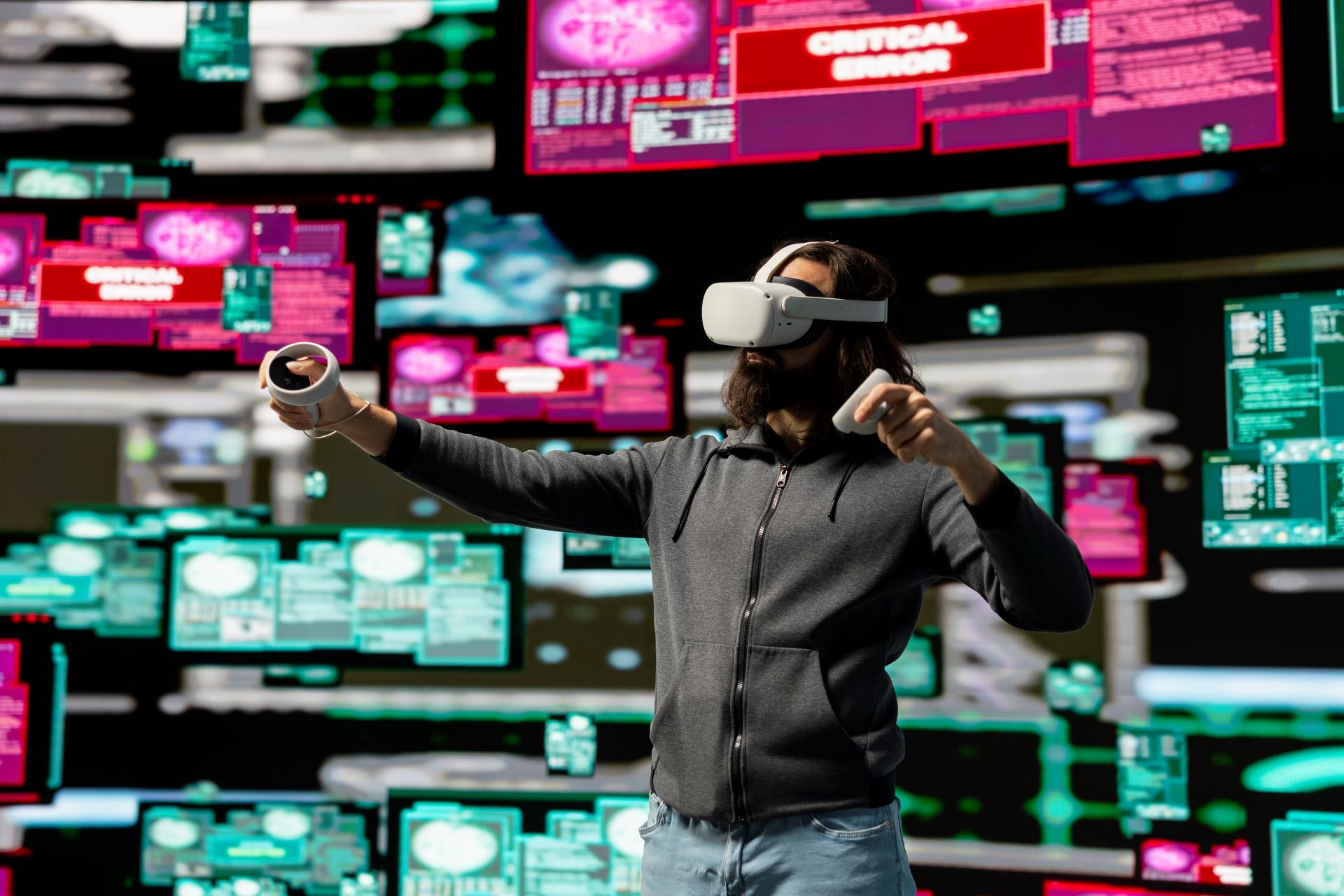
Virtual reality has transcended the boundaries of gaming and entertainment, becoming a staple in training, therapy, and design. Its ability to transport users to entirely new worlds is unmatched, offering an unparalleled sense of presence and interactivity. Yet, this immersion is not without peril. As users engage with VR, they may unknowingly expose themselves to physical risks that stem from a combination of sensory displacement, equipment limitations, and environmental hazards. The very features that make VR so compelling—total sensory engagement and freedom of movement—can also make it dangerous if safety measures are ignored.
The real challenge is that these risks are often subtle, hidden beneath the excitement of exploration. While a headset can transport someone across a Martian landscape or into a high-speed race car, the body remains firmly tethered to the physical world. Tripping, bumping, or overexertion can occur in the blink of an eye, transforming a captivating adventure into a real-world accident.
Sensory Displacement and Its Consequences
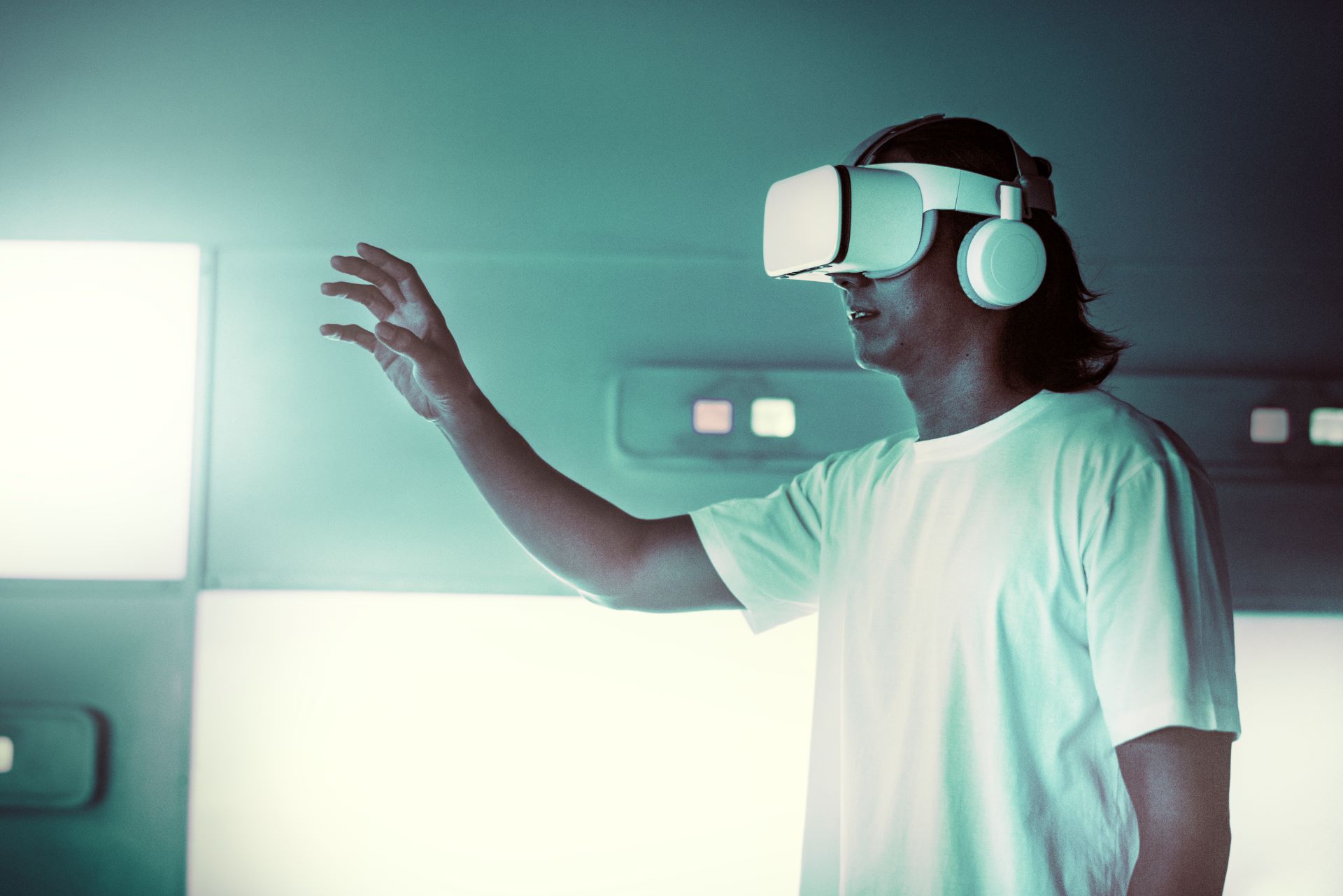
One of VR’s defining characteristics is sensory displacement—the mismatch between what the eyes perceive and what the body experiences. In immersive environments, visual cues can dominate, leading users to underestimate distances, misjudge object locations, or lose track of spatial boundaries. This is particularly dangerous in small or cluttered spaces.
For example, a VR fitness game requiring lunges and jumps can inadvertently push users toward furniture, walls, or other hazards. Motion sickness, or VR-induced nausea, further complicates matters. Users may feel disoriented, dizzy, or lose balance, increasing the likelihood of falls. Such effects are amplified for individuals new to VR, older users, or those with pre-existing vestibular sensitivities.
Equipment Limitations and Maintenance
The physical hardware of VR systems also introduces risk. Headsets can slip, straps can loosen, and cables can entangle limbs, creating trip hazards. Controllers, while ergonomic, can become projectiles if flung unintentionally during vigorous motion. Even high-end tracking systems have blind spots, particularly in multi-user or dynamically changing spaces, which can result in collisions with walls, ceilings, or other participants.
Regular equipment maintenance is essential. Ensuring headsets are clean, straps are secure, and sensors are properly calibrated reduces preventable accidents. Even minor wear-and-tear, such as frayed cables or scratched lenses, can compromise both the VR experience and safety.
Environmental Awareness: Crafting a Safe VR Space
The physical environment in which VR is used is as critical as the technology itself. Clear, unobstructed play areas minimize accidents, while padded or non-slip flooring can reduce injury severity in case of falls. Lighting should be balanced: bright enough to maintain safe awareness for quick real-world actions, but not so intrusive that it disrupts immersion.
Designing VR spaces also involves anticipating unpredictable interactions. Pets, children, or even other adults can inadvertently enter a play area, creating collision risks. Establishing boundaries and communicating with others in shared spaces ensures that immersion doesn’t come at the cost of safety.
Ergonomics and Extended Sessions
VR is immersive, but prolonged usage carries risks beyond immediate physical accidents. Poor posture can lead to musculoskeletal strain, while extended headset use may contribute to eye fatigue or headaches. Users often forget to take breaks during deeply engaging experiences, increasing both short-term and cumulative risks.
Simple measures, like adjustable straps, chair support for seated experiences, and scheduled breaks, can mitigate these risks. Ergonomic awareness ensures that the benefits of VR are sustainable without compromising the user’s physical health.
Psychological Factors and Risk Perception
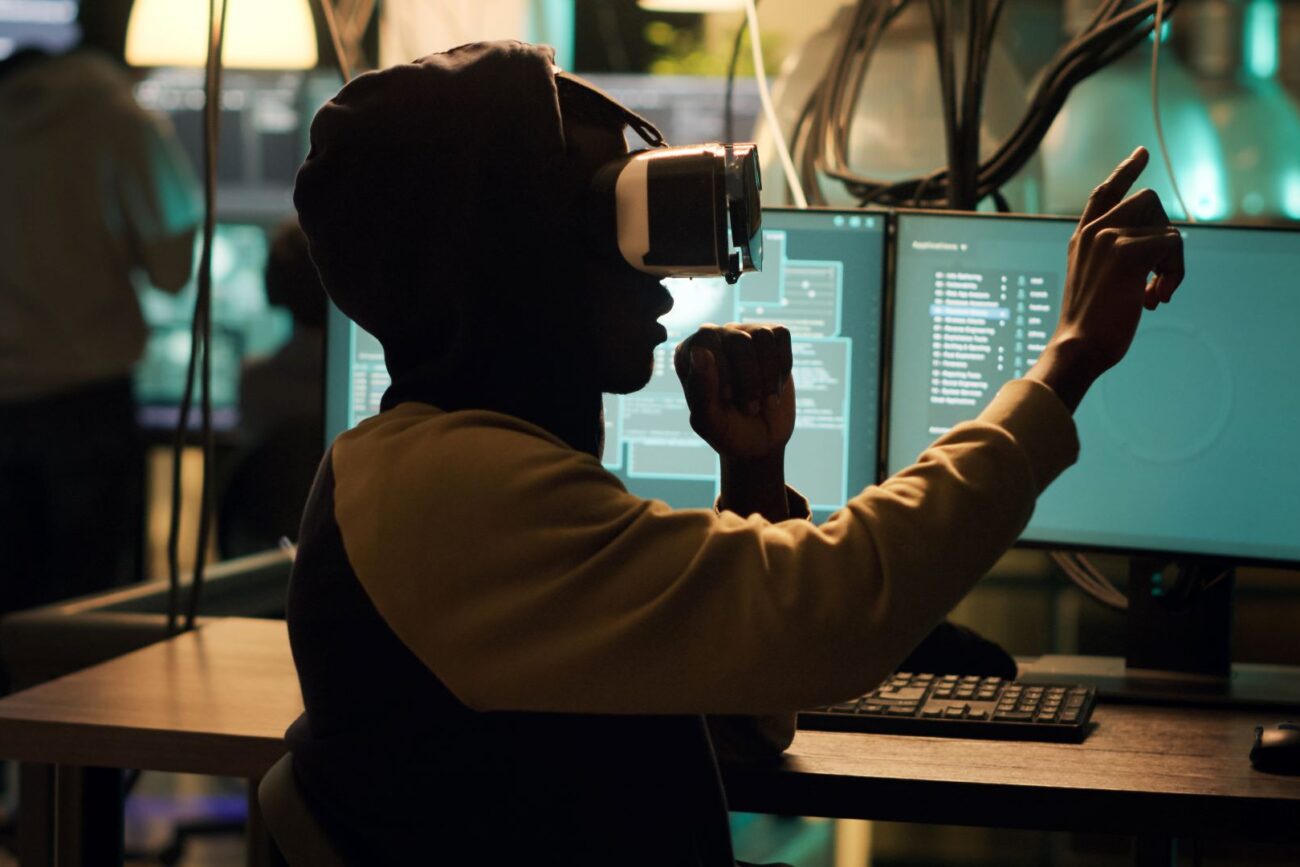
Immersion doesn’t just affect the body; it affects the mind. Users may act impulsively or overestimate their abilities due to the compelling nature of VR simulations. A virtual cliff can induce real panic, causing sudden movements that result in collisions or falls. Similarly, high-intensity VR games can elevate heart rate and adrenaline, increasing the likelihood of overexertion or misjudged actions.
Understanding the psychological dimension of VR risk is vital. Developers and users alike must recognize that the brain treats virtual threats as real threats, and physical safety protocols should account for these reactions.
Training, Guidelines, and Industry Best Practices
The responsibility of safety in VR extends beyond individual users. Organizations integrating VR for education, training, or entertainment should implement comprehensive guidelines. Structured onboarding, risk-awareness training, and clearly defined safe zones can prevent accidents before they occur.
VR content creators also play a role in safety by designing experiences that respect spatial limits, provide in-game alerts for boundary breaches, and limit abrupt movements that could lead to falls or collisions. Clear communication, visual cues, and environmental feedback within VR can significantly reduce real-world risks.
The Future of Safety in Immersive Tech
As VR hardware evolves, safety innovations are becoming integral. Advanced spatial mapping, haptic feedback, and AI-driven movement prediction promise to reduce collision risks. Wearable sensors may alert users to overexertion, while smarter boundary systems can dynamically adjust to changing environments.
Nevertheless, technology alone is not enough. Education, environmental awareness, and personal responsibility remain the most reliable defenses against injury. Immersion should enhance life experiences, not compromise physical well-being.
Balancing Thrills with Safety
Virtual reality represents a transformative leap in interactive technology, but it comes with inherent physical risks. Sensory displacement, equipment limitations, environmental hazards, and psychological factors all combine to create a landscape where accidents are possible. Yet, with careful planning, informed practices, and a conscious approach to physical space, users can safely navigate immersive worlds without sacrificing excitement or engagement.
The goal is not to diminish the thrill of VR but to ensure that the boundary between virtual and real remains both exhilarating and safe. Every step in VR should be both a leap into imagination and a calculated measure of precaution, allowing the magic of immersion to unfold without incident.