
Virtual reality has evolved from a niche technology for gaming and experimental media into a fully-fledged platform for creating alternative worlds. Within this context, VR cities—fully constructed, navigable urban environments—represent a transformative approach to urbanism, socialization, and governance. These are not just simulations; they are living ecosystems, where every street, plaza, and skyscraper can be designed, modified, or abandoned at a developer’s whim. They are spaces for creativity, social interaction, experimentation, and even civic engagement.
In contrast to real-world cities, VR urban landscapes are unshackled from the constraints of physics, budget, or geography. Architects can experiment with gravity-defying towers, roads that float in spirals, and parks that morph according to weather conditions or the inhabitants’ moods. City planners and social scientists alike are beginning to explore these digital environments as laboratories for understanding urban behavior, social dynamics, and governance models in ways that were previously impossible.
The expansion of the metaverse has made VR cities increasingly relevant. Platforms like Horizon Worlds, Decentraland, Roblox, and The Sandbox have introduced millions of users to the possibilities of inhabiting, owning, and governing fully virtual cities. These environments are not just playgrounds; they are complex, interactive ecosystems that mirror and challenge real-world urban dynamics.
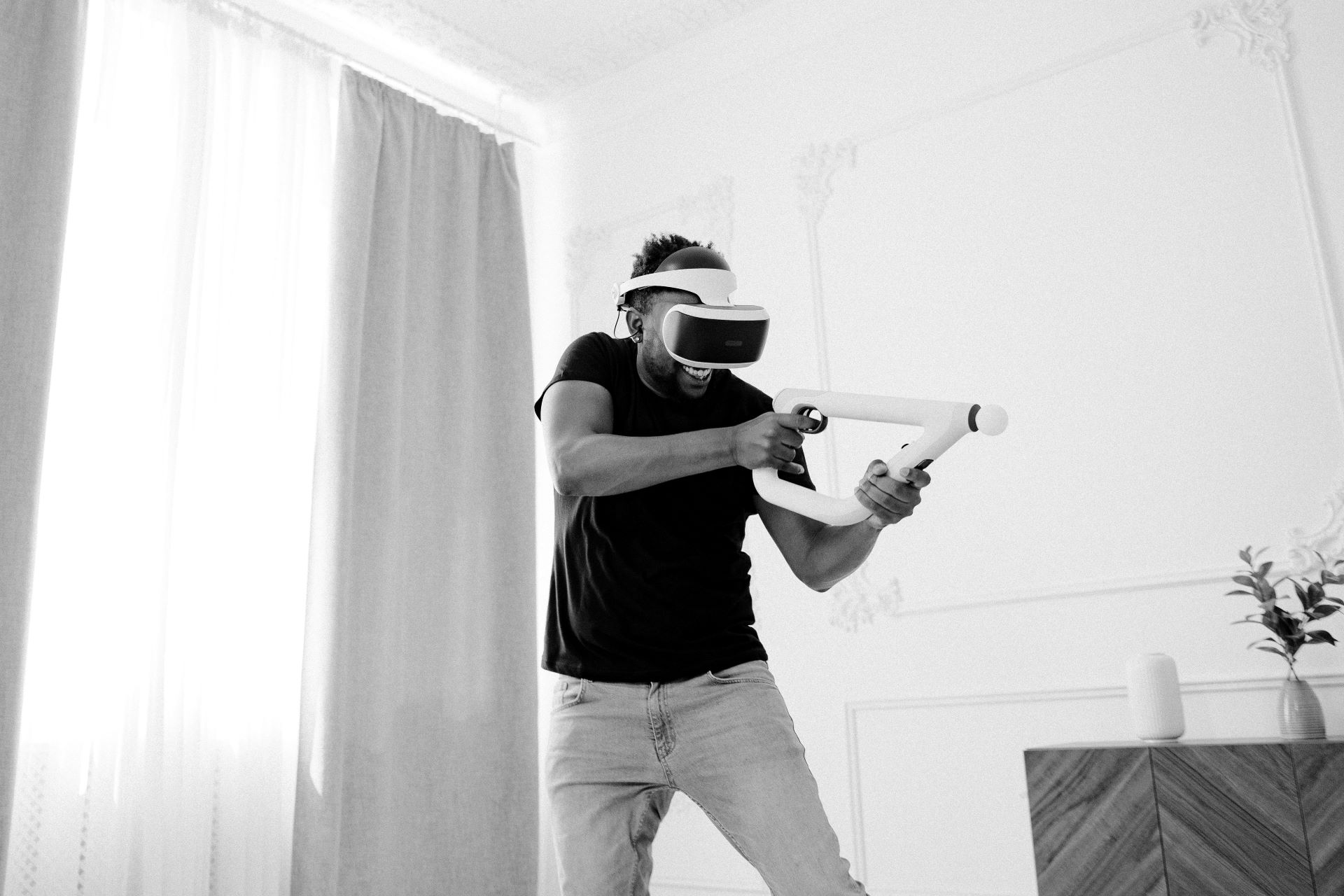
The Rise of Digital Metropolises
Unlike traditional cities, VR cities are infinitely malleable. Developers can redesign entire districts in hours, simulate large-scale social experiments, and create spaces for activities that would be physically or financially impossible in the real world. Some cities are structured as hubs for professional collaboration, offering virtual offices, coworking spaces, and meeting rooms with immersive 3D visualization tools. Others are entirely recreational, featuring enormous concert arenas, art galleries, and virtual theme parks.
This diversity makes VR cities uniquely adaptable to user needs. They can host large-scale conferences without worrying about physical space limitations, provide real-time feedback to urban planners through population simulations, and test new urban layouts without the environmental impact of construction. The result is a virtual urban laboratory where ideas can be rapidly prototyped, tested, and refined, offering insights that can inform both digital and real-world city design.
The rise of digital metropolises also reflects the changing nature of work and social interaction. With remote work becoming increasingly prevalent, VR cities provide spatial context and immersion that conventional video calls cannot replicate. Workers can navigate a virtual office, interact with colleagues in shared digital spaces, and participate in community events, all within a cohesive urban framework.
Architectural Innovation in Virtual Realms
Architecture within VR cities challenges traditional notions of structure and design. Freed from material limitations, zoning laws, and gravitational constraints, architects can experiment with forms that were previously impossible. Imagine skyscrapers that fold and unfold like origami, streets that spiral endlessly into the sky, or parks that react dynamically to population density.
However, the freedom of VR architecture brings unique challenges. Buildings must balance creativity with usability. Users need to navigate these spaces intuitively, or risk disorientation and frustration. VR architects combine principles of ergonomics, human psychology, and aesthetics to create urban layouts that are both fantastical and functional.
Tools like Unity, Unreal Engine, and AI-assisted design software allow architects to prototype complex structures quickly, simulate traffic patterns, and optimize user flow. Some VR cities are experimenting with modular architecture, where buildings can be reconfigured in real-time based on user behavior, events, or community votes. This introduces a level of urban dynamism never before possible in the physical world.
Social Structures in Digital Cities
The social dimension of VR cities is as crucial as their physical design. These spaces are living ecosystems, where inhabitants interact, form communities, and establish informal hierarchies. Platforms like VRChat and Horizon Worlds reveal that even in digital spaces, humans naturally gravitate toward social structures similar to real-world urban life.
Central squares and plazas serve as hubs for casual interaction, while specialized districts foster niche communities, ranging from professional networks to fandom enclaves. Digital marketplaces allow inhabitants to buy, sell, and trade virtual goods, mirroring real-world economic behavior. Social rules and norms emerge organically, shaped by architecture, user behavior, and platform mechanics.
Designers of VR cities are discovering that subtle changes in layout can dramatically influence social interaction. A well-placed park or communal workspace encourages engagement, while secluded areas promote introspection or private collaboration. In this sense, VR cities serve as living laboratories for social psychology, allowing researchers to study human behavior, collaboration, and conflict resolution in controlled yet immersive environments.

Governance in the Metaverse
Managing a VR city is an exercise in governance, albeit with novel parameters. Traditional cities rely on law enforcement, courts, and municipal services. VR cities, by contrast, must rely on coded rules, algorithmic enforcement, and community moderation. Governance models range from centralized control by developers to decentralized systems, often implemented via blockchain and decentralized autonomous organizations (DAOs).
In some VR platforms, citizens participate directly in decision-making, voting on public projects, zoning changes, or budget allocations. This introduces fascinating possibilities for participatory urbanism, where inhabitants influence the development of their city in real-time. However, digital governance also raises critical questions about accountability, rights, and enforcement. What happens when users engage in harmful behavior, manipulate systems, or exploit loopholes? Balancing freedom, security, and fairness is a constant challenge for VR city administrators.
Governance in VR cities also intersects with virtual economics. Token-based economies, NFT property ownership, and in-game currencies require careful management to prevent inequality and exploitation. Designers are learning that digital cities must combine urban planning, social engineering, and financial stewardship to function sustainably.
Work, Play, and Digital Citizenship
VR cities blur the line between work and leisure. Digital offices and coworking spaces coexist alongside entertainment venues, art galleries, and communal spaces, fostering a fluid urban experience. This integration enables users to move seamlessly between professional, recreational, and social activities, enriching the overall urban experience.
Remote teams gain spatial context that traditional communication platforms cannot provide. They can collaborate in immersive environments, conduct virtual presentations, and hold workshops that feel more tangible than video calls. Similarly, content creators can engage with audiences in spaces that amplify creativity and interaction.
Digital citizenship in VR cities also entails ethical and behavioral education. Users must learn social etiquette, respect intellectual property, and navigate the ethical dimensions of virtual interaction. Programs and onboarding initiatives are emerging to teach these principles, ensuring that inhabitants can thrive while contributing positively to the ecosystem.
Urban Experimentation and Sustainability
One of the most compelling aspects of VR cities is their potential as testbeds for sustainable urbanism. Planners can simulate energy consumption, resource distribution, and population growth without real-world consequences. This allows experimentation with high-density urban layouts, renewable energy infrastructure, and public transportation models in ways that would be prohibitively costly or environmentally risky in reality.
AI integration takes this experimentation further. Intelligent systems can adjust city layouts in real-time based on usage patterns, simulate disaster scenarios, or optimize traffic flow. The result is an adaptive, self-regulating urban environment that evolves with its inhabitants’ needs.
Such experimentation can inform real-world urban planning. Lessons learned from VR cities—about traffic congestion, social interaction, energy efficiency, or resource allocation—can be applied to physical cities, creating a feedback loop between digital innovation and tangible urban design.
Technical and Ethical Challenges
Despite their promise, VR cities face significant hurdles. Technical limitations, such as latency, network bandwidth, and hardware accessibility, can constrain user experience. Digital divides may exacerbate inequality, leaving portions of the population unable to participate fully.
Ethical concerns are equally pressing. VR cities collect vast amounts of user data, raising privacy issues. Governance and moderation systems must prevent harassment, exploitation, and abuse. As these cities gain economic and social significance, questions about digital rights, accountability, and user welfare become paramount. Designers must balance innovation with responsibility, ensuring these worlds are inclusive, safe, and equitable.
The Future of Digital Urbanism
The trajectory of VR cities suggests a future in which digital and physical urbanism increasingly converge. Cities in VR will serve as experimental arenas for architecture, social policy, and governance, offering insights that translate to real-world improvements. As AI, blockchain, and immersive technology evolve, these environments will become more interactive, adaptive, and participatory.
VR cities are not merely playgrounds or tech demos—they are laboratories for imagining the future of human habitation. They challenge us to reconsider what a city can be, how communities form, and how governance can function in spaces unconstrained by geography or materiality. In doing so, they offer a glimpse into a world where creativity, social cohesion, and technological innovation intersect, shaping both digital and physical futures.
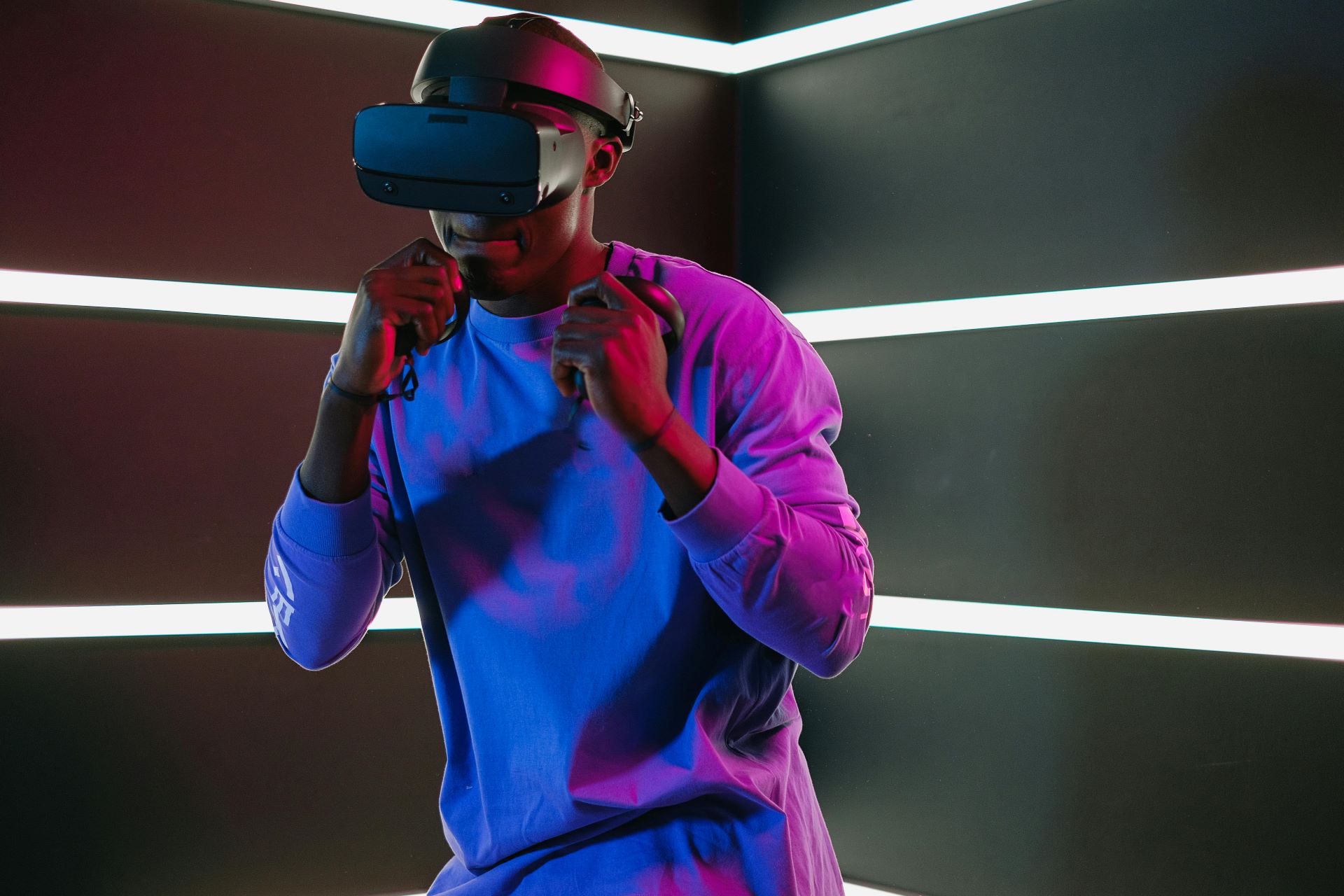
VR cities are the next frontier of urban experimentation, combining architecture, society, and governance into immersive, malleable worlds. They push the boundaries of what is possible, offering spaces for work, play, and civic engagement while providing insights into human behavior and urban dynamics. As technology advances, these digital urban landscapes will evolve from experimental playgrounds into complex, self-sustaining ecosystems that redefine our understanding of community, creativity, and the city itself. The potential is immense, limited only by imagination and the ethics that guide us in building these brave new worlds.