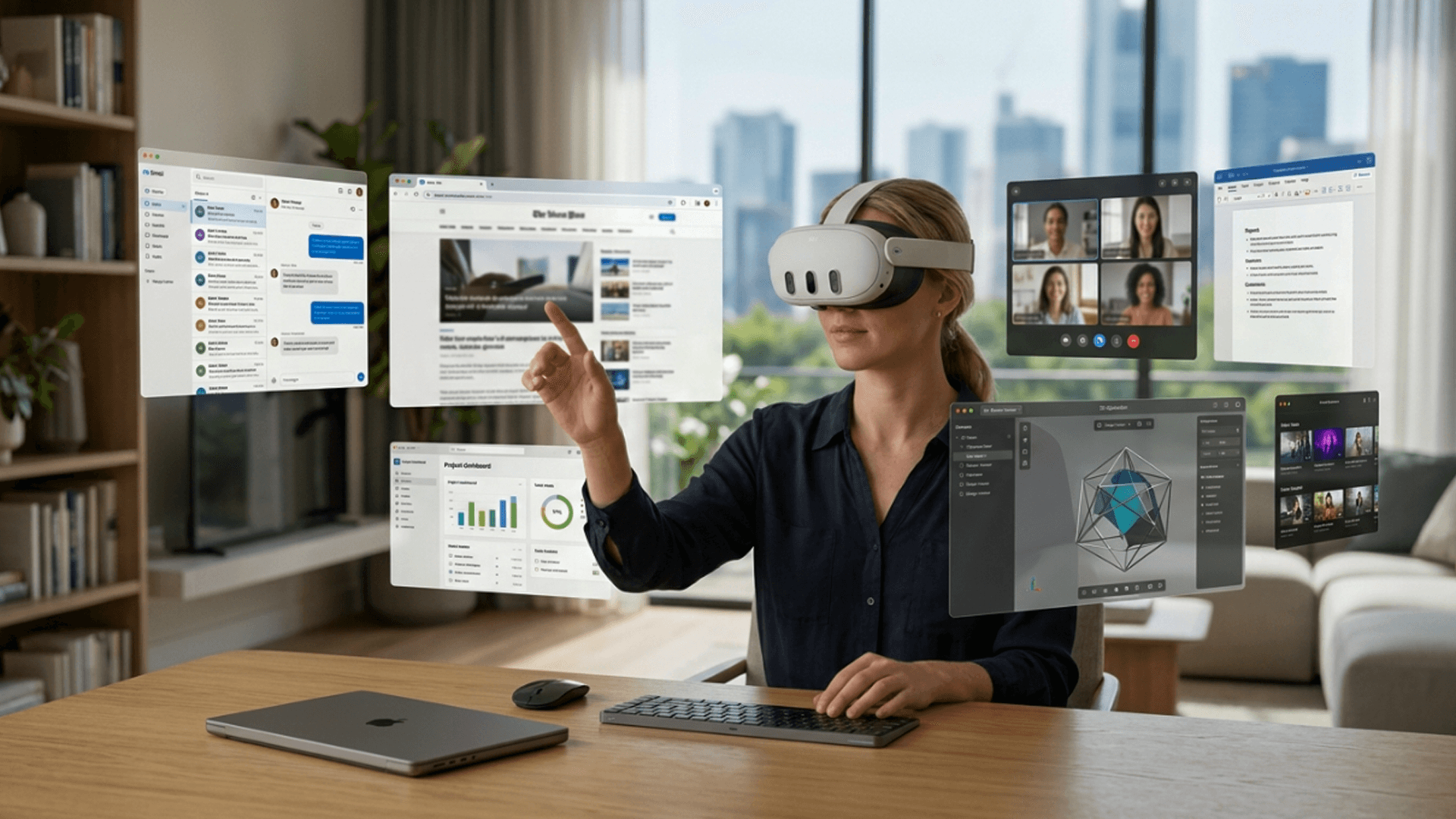
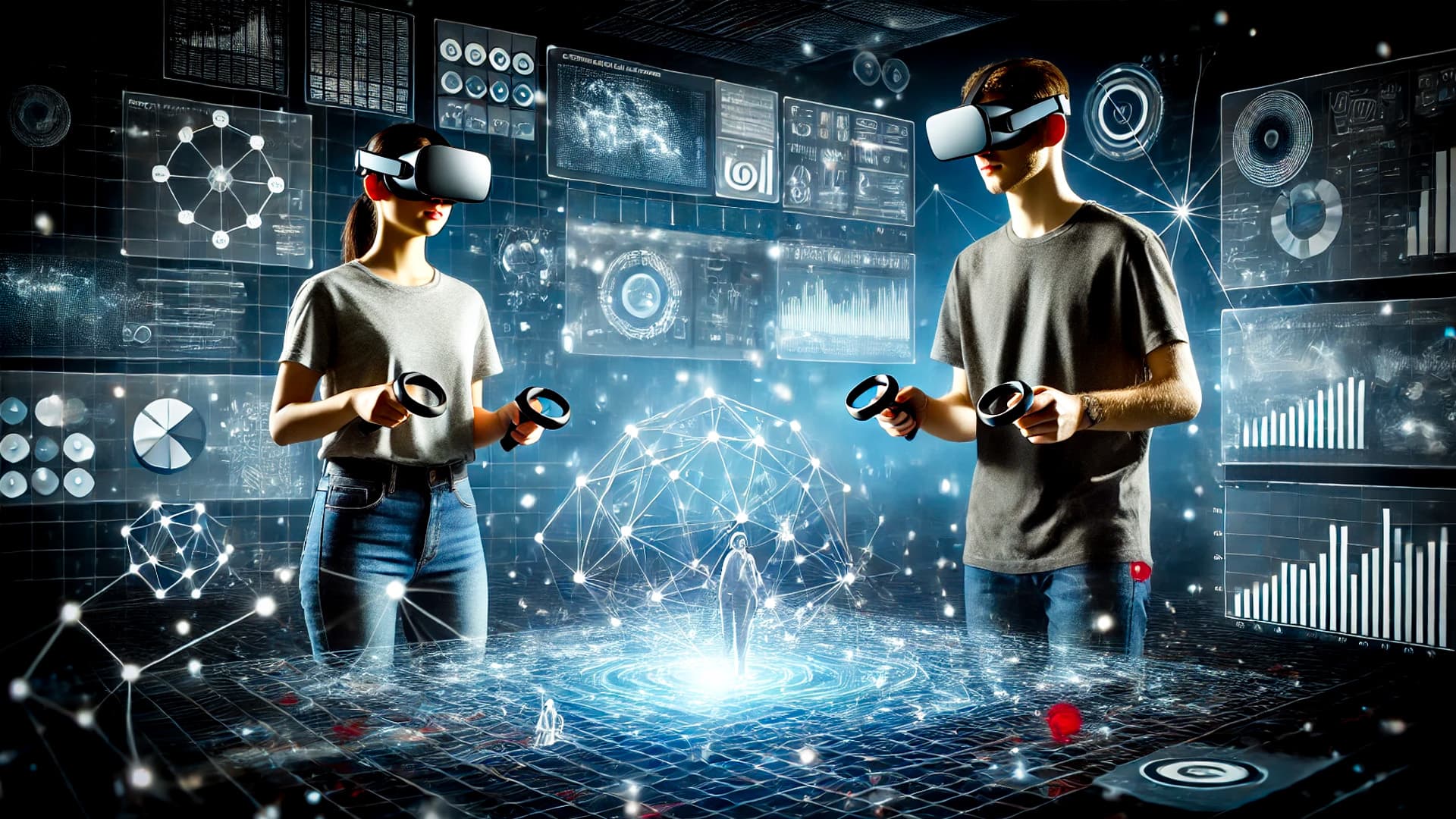
The global shift towards remote work, accelerated by recent global events, has transformed how organizations operate and collaborate. As more teams embrace the flexibility of working from different locations, the limitations of traditional collaboration tools have become increasingly apparent. Video conferencing, cloud-based document sharing, and instant messaging have all played their parts, but they often fall short in replicating the nuance and dynamism of in-person interactions. Enter Mixed Reality (MR), a technology that merges the physical and digital worlds, offering a new frontier for remote collaboration. MR is not just an incremental improvement—it's a paradigm shift that allows teams to interact in immersive environments as if they were sharing the same physical space.
Why Traditional Collaboration Tools Are Falling Short
Despite the widespread adoption of tools like Zoom, Slack, and Google Drive, many teams struggle with maintaining engagement, creativity, and efficiency when working remotely. These tools, while effective for basic communication and document sharing, lack the capacity to fully replicate the spontaneous, interactive, and tactile experiences of face-to-face collaboration. Screens limit the depth of interaction, and the absence of spatial context can hinder the flow of creative processes. Traditional tools also struggle with fostering a sense of presence and connection, which are crucial for team cohesion and morale. Mixed Reality addresses these shortcomings by offering a more holistic, immersive experience that engages multiple senses and creates a more natural, fluid environment for collaboration.
The Emergence of Mixed Reality as a Game-Changer in Remote Collaboration
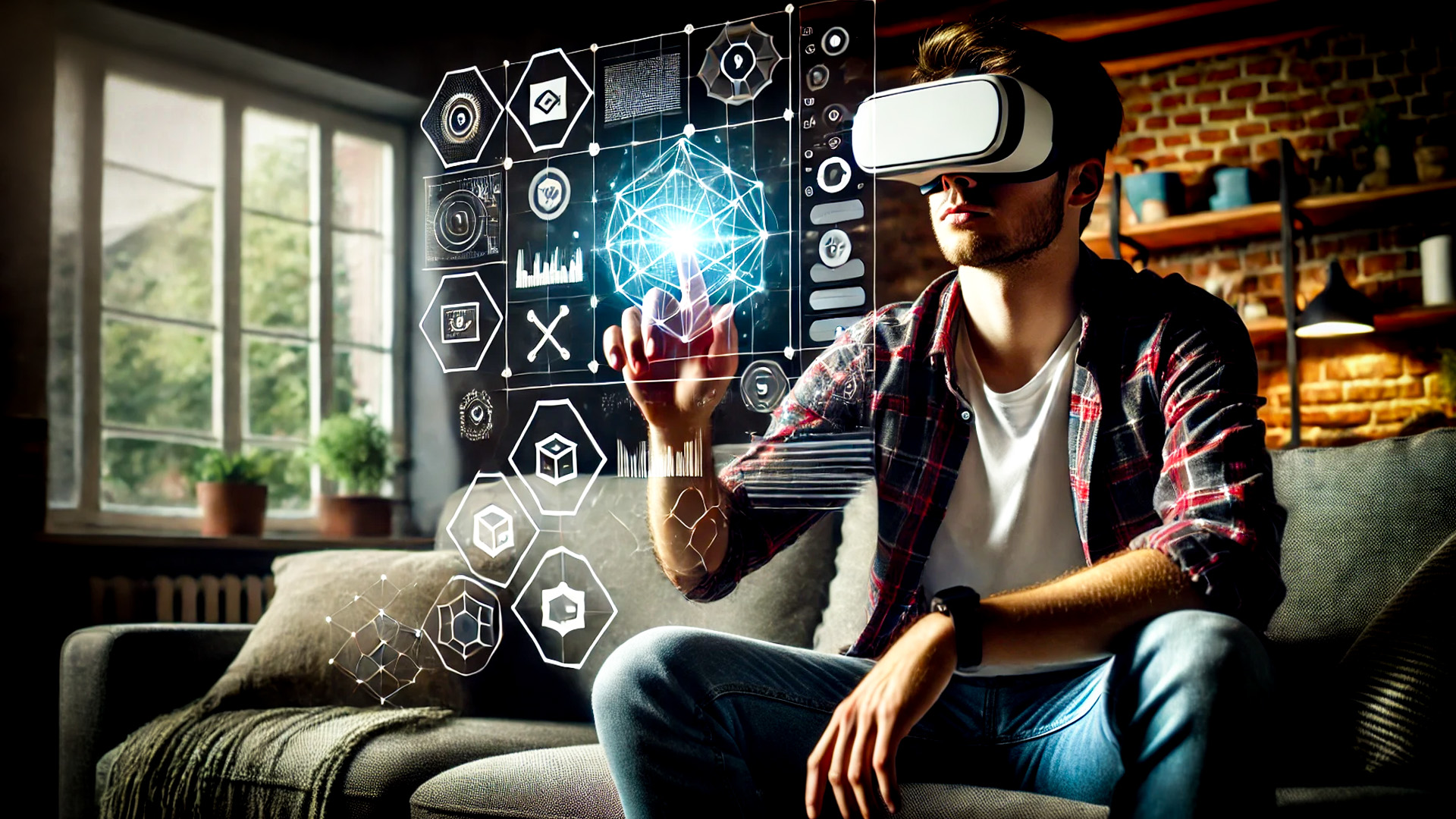
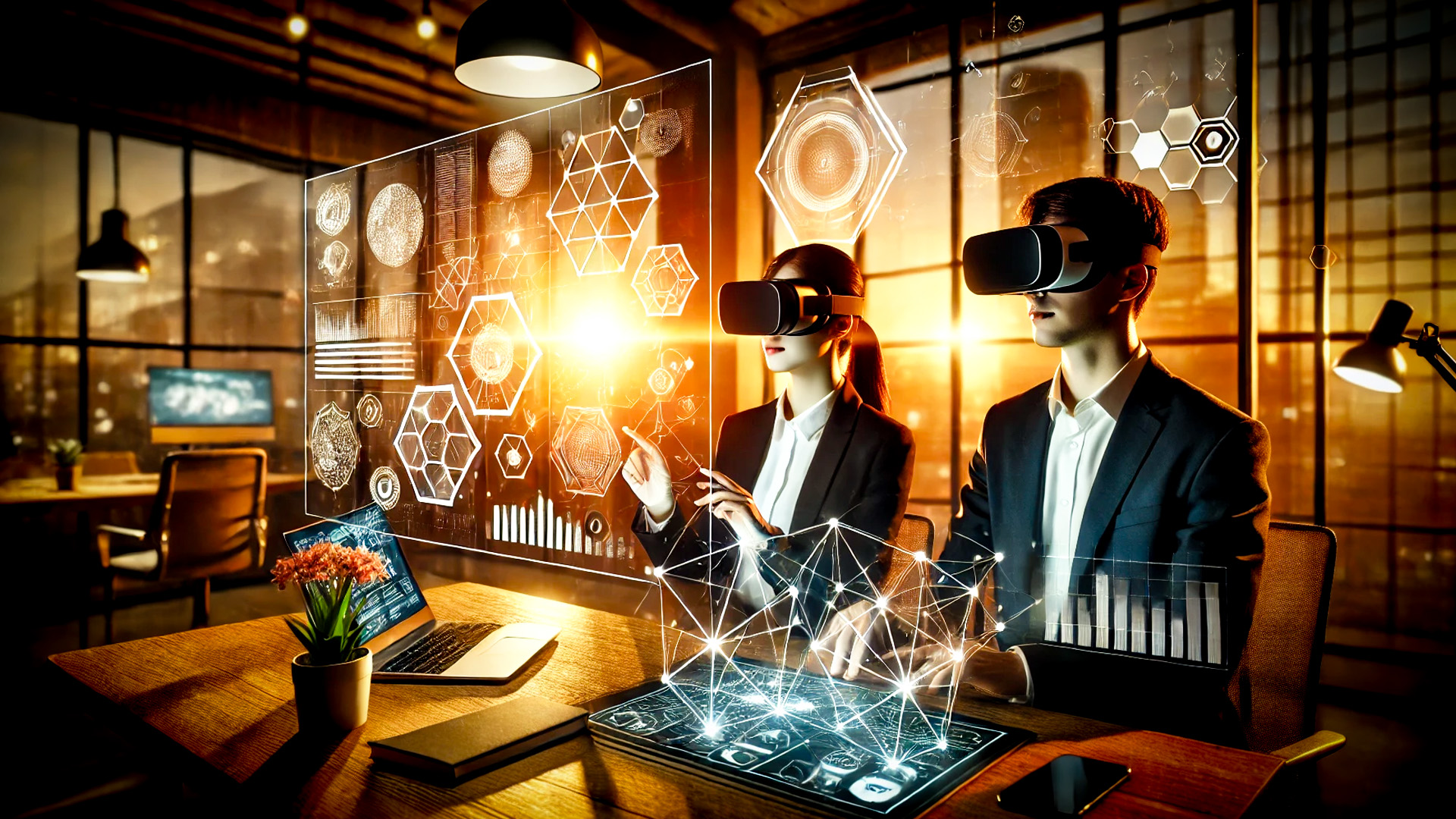
Mixed Reality is emerging as a transformative force in the realm of remote work. By blending the physical and digital worlds, MR enables teams to interact with 3D objects, data, and each other in real-time, regardless of their geographical locations. This technology offers the possibility of virtual meetings where participants can manipulate shared 3D models, conduct hands-on training, or even walk through virtual representations of physical spaces. MR's ability to create a shared sense of presence and interactivity makes it a game-changer for remote collaboration, breaking down the barriers that distance imposes and paving the way for more innovative, effective teamwork.
Understanding Mixed Reality (MR)
Defining Mixed Reality: A Blend of the Physical and Digital Worlds
Mixed Reality (MR) is a technological blend that seamlessly integrates real-world elements with digital content, creating an environment where physical and virtual objects coexist and interact in real time. Unlike Virtual Reality (VR), which immerses users entirely in a digital environment, or Augmented Reality (AR), which overlays digital elements onto the physical world, MR bridges these two experiences. It allows users to interact with digital objects as if they were part of the physical space around them, blurring the lines between reality and the digital world. This unique capability makes MR particularly well-suited for applications that require both the physical context of the real world and the enhanced possibilities of the digital realm.
Key Technologies Powering MR: AR, VR, and Beyond
The foundation of Mixed Reality lies in its integration of several cutting-edge technologies, including Augmented Reality (AR), Virtual Reality (VR), and advanced sensor systems. AR contributes by overlaying digital information onto the real world, while VR provides immersive digital environments. MR takes the best of both worlds, incorporating advanced tracking technologies, spatial mapping, and haptic feedback to create interactive experiences that feel tangible. Devices like the Microsoft HoloLens and the Magic Leap One are at the forefront of MR, equipped with sensors that understand the environment, track user movements, and respond to physical interactions with digital content.
How MR Differs from Virtual and Augmented Reality in Collaborative Contexts
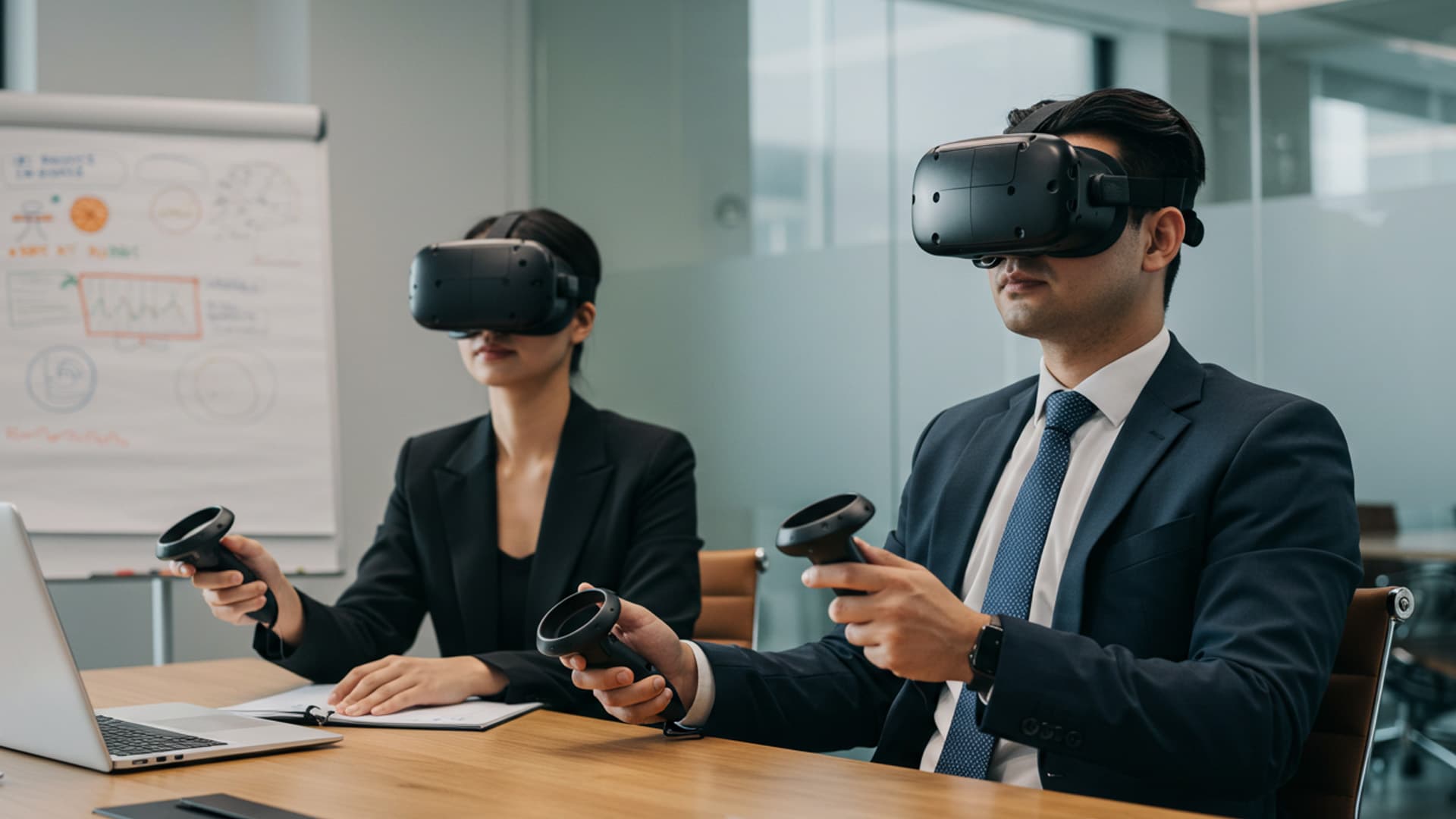
While VR and AR offer significant benefits for individual experiences, MR's unique strength lies in its ability to facilitate collaborative interactions. In a collaborative context, MR allows multiple users to engage with the same digital content while remaining aware of their physical surroundings. This capability enables teams to work together on complex tasks as if they were in the same room, even when they are miles apart. MR differs from VR, which isolates users in entirely digital environments, and from AR, which limits interaction to simple overlays. MR combines the immersive, interactive elements of both technologies, making it an ideal tool for collaborative efforts that require both digital flexibility and physical context.
The Emergence Of Mixed Reality As A Game Changer In Remote Collaboration
Benefits of MR in Remote Collaboration
Enhancing Communication: From 2D Screens to 3D Interaction
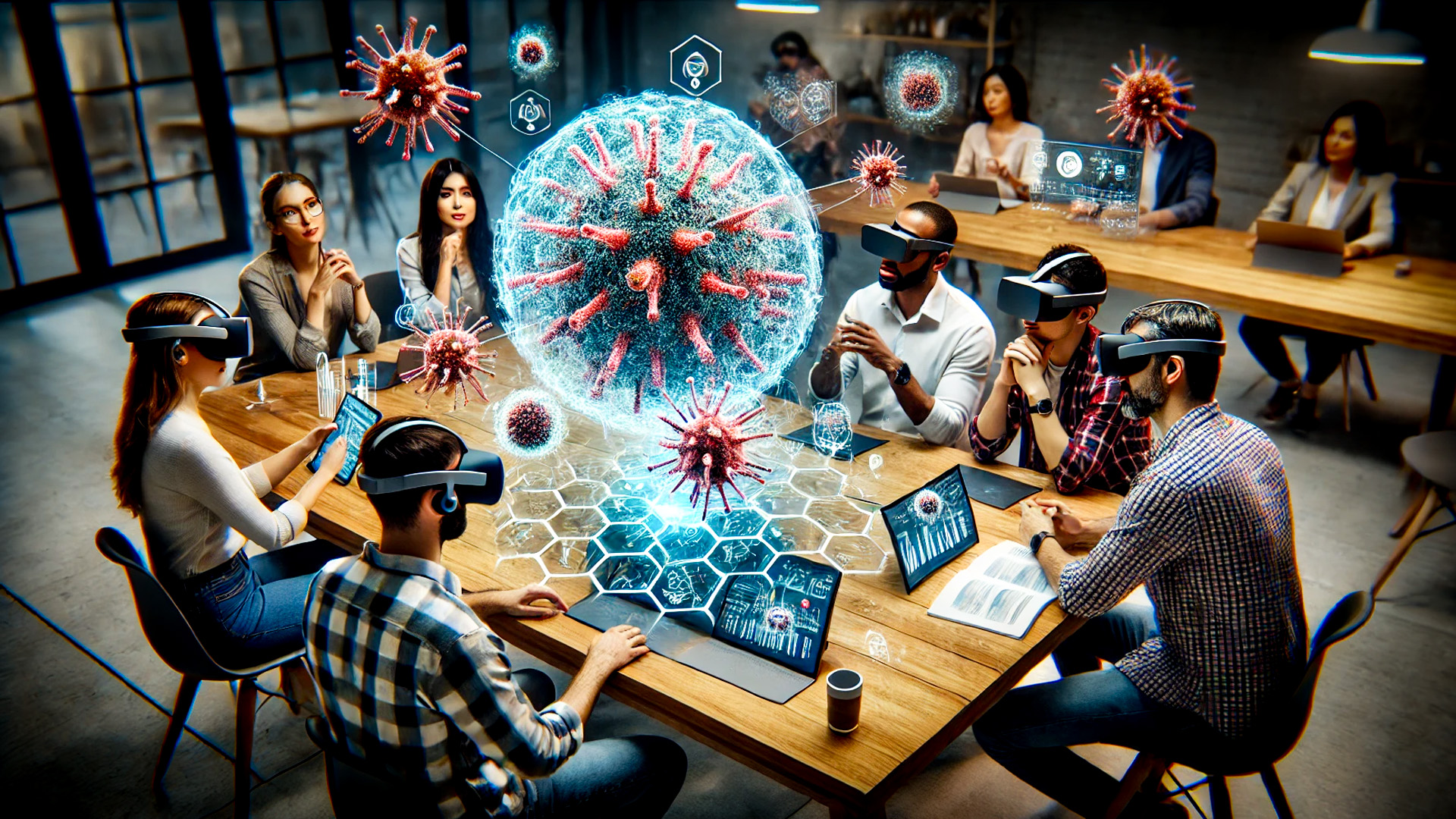
One of the most significant benefits of MR in remote collaboration is its ability to elevate communication from flat, 2D interactions to dynamic, 3D experiences. In traditional remote settings, communication is often limited by the confines of screens, leading to a loss of nuance and non-verbal cues that are crucial for effective collaboration. MR transforms this by enabling users to engage in spatial interactions, where gestures, eye contact, and movement play a role in communication. Teams can gather around a virtual table, point to specific areas of a 3D model, and collaborate on designs as if they were physically present together. This level of interaction not only enhances understanding but also fosters creativity and problem-solving by allowing team members to visualize and manipulate data in new ways.
Breaking Down Geographical Barriers: Seamless Collaboration Across Time Zones
Geographical barriers have long been a challenge for global teams, but MR offers a way to mitigate the distance. With MR, teams can collaborate in real-time, sharing a virtual workspace where distance becomes irrelevant. This technology enables team members from different time zones to engage with the same content, contribute to discussions, and make decisions collaboratively, all within an immersive environment that feels immediate and connected. The ability to create a shared space where everyone can participate equally, regardless of location, helps to overcome the isolation and fragmentation that often accompany remote work.
Immersive Experiences: Bringing Remote Teams Closer Together
In addition to its practical benefits, MR also plays a crucial role in bringing remote teams closer together on a human level. The immersive nature of MR fosters a stronger sense of presence, making virtual interactions feel more personal and engaging. This can help to build stronger relationships between team members, which is especially important in remote settings where face-to-face interactions are rare. By creating a virtual environment where team members can interact more naturally, MR helps to cultivate a sense of camaraderie and trust, which are essential for effective teamwork and collaboration.
Applications of MR in Different Industries
Engineering and Design: Real-Time 3D Prototyping and Review
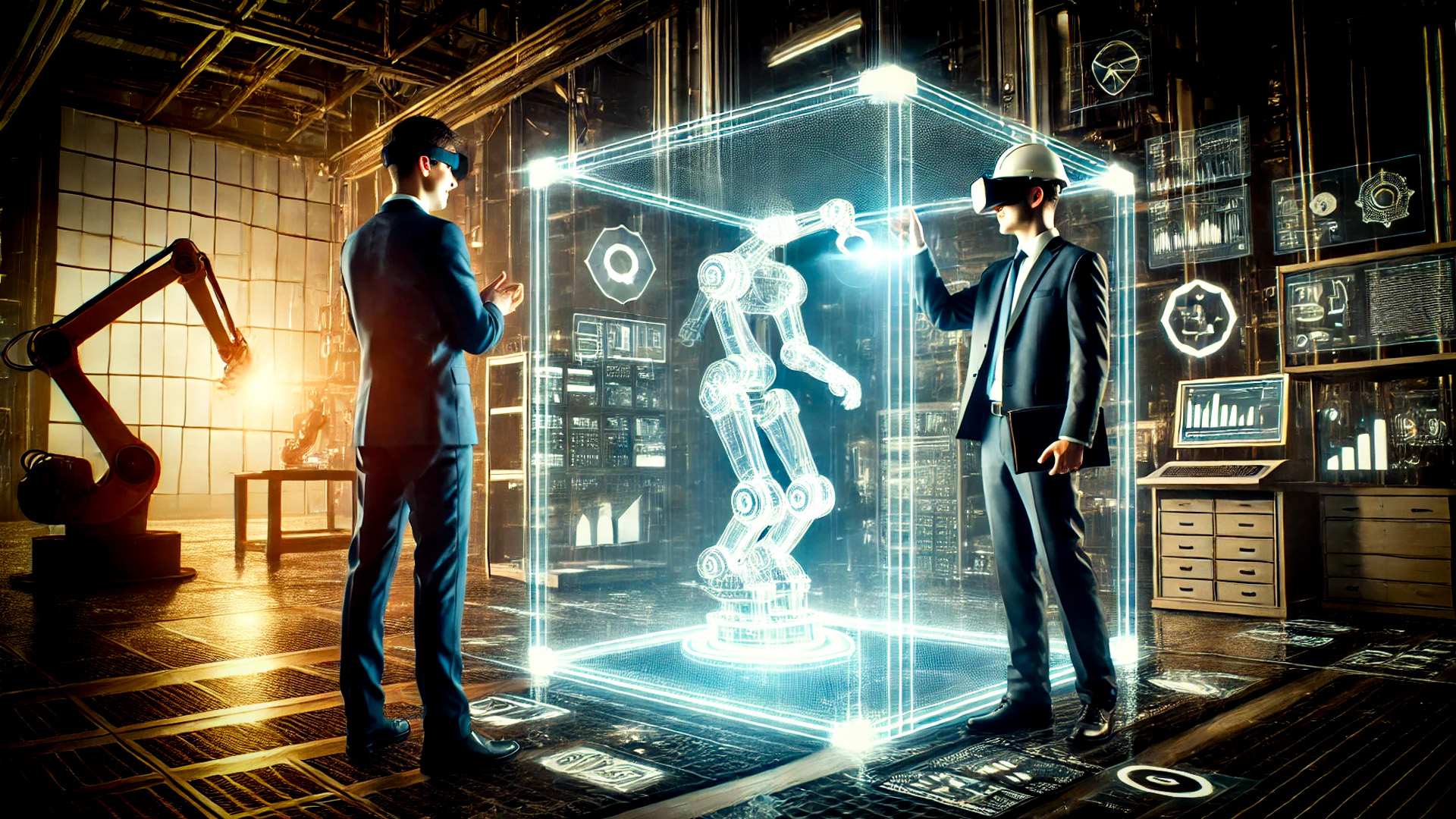
In the fields of engineering and design, MR is revolutionizing the way teams approach prototyping and review processes. With MR, engineers and designers can create and manipulate 3D models in real-time, allowing for a more iterative and collaborative approach to product development. Teams can gather around a virtual prototype, examine it from all angles, and make adjustments on the fly. This not only speeds up the design process but also reduces the risk of errors, as changes can be tested and validated in a virtual environment before being implemented in the real world. MR's ability to facilitate real-time collaboration on complex designs makes it an invaluable tool for industries where precision and innovation are paramount.
Healthcare: Remote Surgical Collaboration and Training
In healthcare, MR is opening up new possibilities for remote collaboration and training. Surgeons can now collaborate on complex procedures from different locations, using MR to share real-time views of a patient's anatomy and discuss surgical strategies as if they were in the same operating room. MR also offers new opportunities for training, allowing medical professionals to practice procedures in a virtual environment that closely replicates real-life conditions. This immersive training experience helps to build confidence and proficiency, ultimately leading to better patient outcomes. The ability to collaborate remotely in such a detailed and interactive way is transforming the healthcare industry, making specialized expertise more accessible and improving the quality of care.
Education and Training: Interactive Learning Across Distances
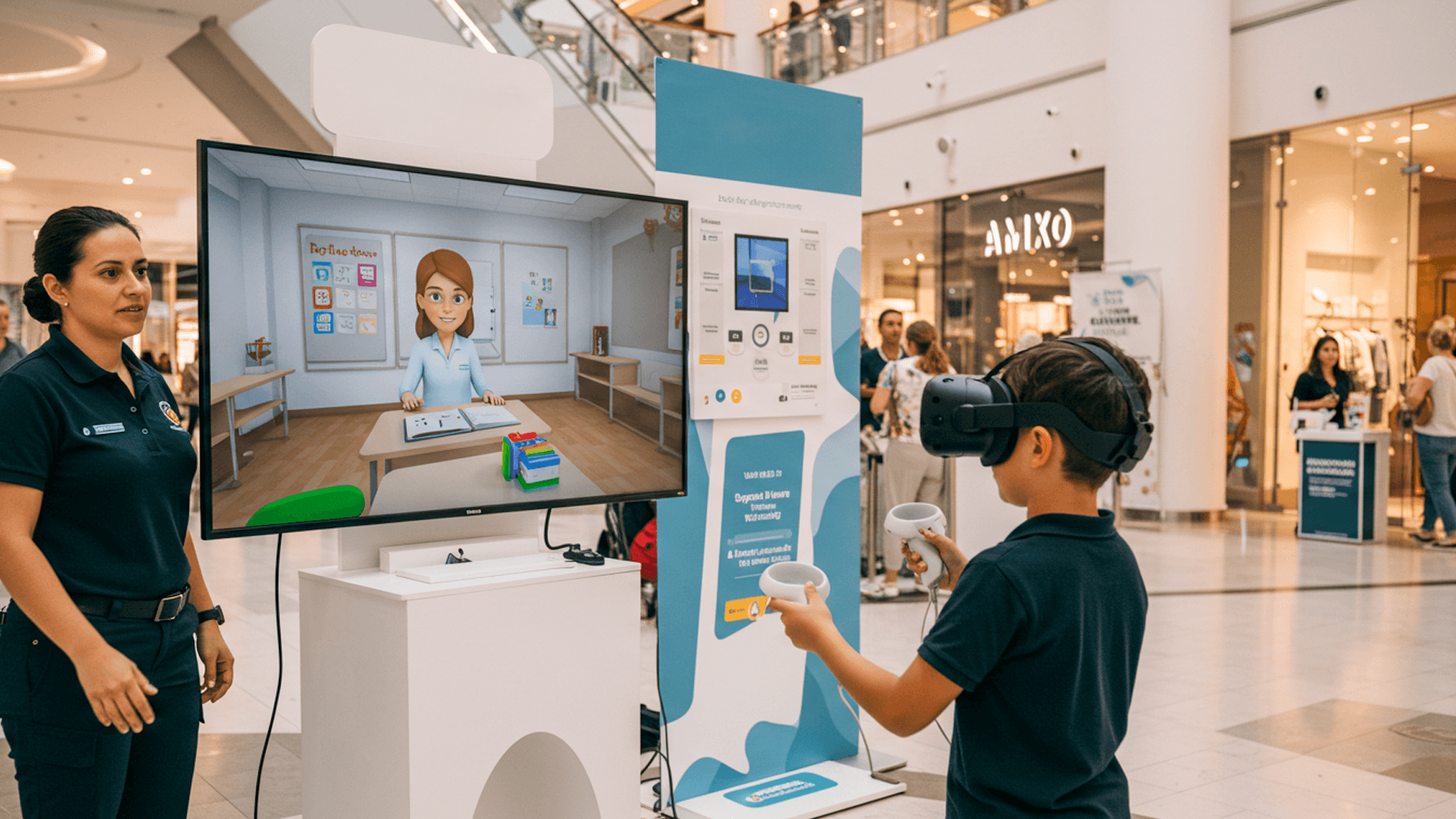
MR is also making waves in the world of education and training, where it offers a more engaging and effective way to learn. Traditional remote learning often struggles to capture the attention of students and trainees, but MR's immersive environments can transform passive learning into active participation. Instructors can create interactive lessons where students can explore virtual environments, conduct experiments, and engage in hands-on activities, all from a distance. This type of learning is particularly effective in fields that require practical skills, such as vocational training or medical education. By making learning more interactive and accessible, MR is helping to bridge the gap between theory and practice, preparing students and trainees for real-world challenges.
Benefits Of Mr In Remote Collaboration
Tools and Platforms for MR Collaboration
Leading MR Collaboration Tools: HoloLens, Spatial, and More
The development of MR collaboration tools has accelerated rapidly, with several platforms emerging as leaders in the field. Microsoft's HoloLens is one of the most prominent, offering a powerful, self-contained MR experience that integrates seamlessly with other Microsoft products. Spatial, another leading platform, allows teams to create and share virtual workspaces where they can collaborate on 3D content in real-time. These tools are designed to make MR accessible and effective for a wide range of industries, providing the hardware and software necessary to create immersive, interactive collaboration environments. As these platforms continue to evolve, they are becoming more sophisticated and user-friendly, making MR an increasingly viable option for remote collaboration.
Customizing MR Solutions for Specific Team Needs
While leading MR tools offer powerful capabilities out of the box, many organizations find that customizing MR solutions to their specific needs can significantly enhance their effectiveness. This might involve developing custom MR content that aligns with the organization's workflow, integrating MR tools with existing software platforms, or tailoring the user interface to match the team's preferences. By customizing MR solutions, organizations can ensure that they are getting the most out of the technology, creating an experience that is not only immersive but also perfectly suited to their collaboration needs.
Integrating MR with Existing Collaboration Platforms: A Hybrid Approach
For many organizations, the most effective approach to MR collaboration involves integrating MR tools with existing collaboration platforms. This hybrid approach allows teams to leverage the strengths of both MR and traditional tools, creating a seamless workflow that combines the best of both worlds. For example, teams might use MR for immersive design sessions or training, then switch to traditional video conferencing for more straightforward discussions. By integrating MR with platforms like Microsoft Teams, Slack, or Zoom, organizations can create a flexible, adaptive collaboration environment that meets the diverse needs of their teams.
Challenges and Considerations in MR Collaboration
Technical Barriers: Hardware, Software, and Connectivity Issues
While MR offers many benefits, it also presents several technical challenges that organizations must consider. Hardware requirements, such as the need for MR headsets and powerful computers, can be a significant barrier to adoption, particularly for smaller organizations or those with limited budgets. Software compatibility and connectivity issues can also pose challenges, as MR applications require stable, high-speed internet connections and may not integrate seamlessly with existing systems. Organizations must carefully assess these technical barriers and plan accordingly, whether that means investing in new infrastructure, training employees on MR technology, or working with vendors to ensure compatibility.
Cost vs. Benefit: Is MR Collaboration Worth the Investment?
Another critical consideration for organizations considering MR is the cost-benefit analysis. While the potential benefits of MR collaboration are significant, the initial investment in hardware, software, and training can be substantial. Organizations must weigh these costs against the potential gains in productivity, creativity, and collaboration. For some teams, the benefits of MR will far outweigh the costs, leading to faster project completion, higher-quality outcomes, and a more engaged workforce. For others, a more gradual adoption of MR, starting with pilot programs or specific use cases, may be a more prudent approach.
Security and Privacy Concerns in the MR Space
As with any new technology, security and privacy are critical concerns in the MR space. MR collaboration often involves sharing sensitive data, whether it's proprietary designs, patient information, or strategic business plans. Ensuring that this data is secure requires robust encryption, secure authentication methods, and compliance with industry standards and regulations. Privacy is also a concern, particularly when MR environments are used to track user movements and interactions. Organizations must take steps to protect user data and ensure that their MR platforms are secure from potential threats, whether they are external hackers or internal breaches.
Tools And Platforms For Mr Collaboration
Case Studies and Real-World Examples
Success Stories: Companies Transforming Collaboration with MR
Several companies have already begun to transform their collaboration processes with MR, achieving impressive results. For example, Ford has used MR to revolutionize its vehicle design process, allowing teams to collaborate on 3D models in real-time, reducing the time and cost associated with physical prototypes. Similarly, Airbus has implemented MR for remote maintenance collaboration, enabling engineers to work together on complex tasks from different locations, improving efficiency and reducing downtime. These success stories highlight the potential of MR to drive innovation and improve collaboration across a wide range of industries.
What Worked and What Didn’t in MR Implementations
While the potential of MR is vast, not all implementations have been without challenges. Some organizations have encountered difficulties with user adoption, as employees may be hesitant to embrace new technology or may struggle with the learning curve associated with MR tools. Others have found that MR requires a more significant investment in infrastructure and training than initially anticipated. These lessons learned underscore the importance of careful planning, employee engagement, and a willingness to adapt when implementing MR. By learning from these experiences, other organizations can avoid common pitfalls and achieve more successful MR implementations.
Comparing MR Collaboration to Traditional Methods: A Quantitative Analysis
To fully understand the impact of MR on remote collaboration, it's essential to compare it to traditional methods using quantitative data. Studies have shown that MR can significantly reduce project timelines, improve communication efficiency, and enhance the quality of collaborative outcomes. For example, a recent analysis found that teams using MR for design collaboration completed projects 30% faster than those using traditional tools. By comparing key metrics such as productivity, accuracy, and employee satisfaction, organizations can make informed decisions about whether to invest in MR and how to best integrate it into their collaboration processes.
The Future of MR in Remote Collaboration
The Evolution of MR Tools and Techniques
As MR technology continues to evolve, several emerging trends are shaping its future in remote collaboration. One trend is the increasing accessibility of MR tools, with more affordable hardware and user-friendly software making MR more accessible to a broader range of organizations. Another trend is the integration of artificial intelligence (AI) with MR, enabling more personalized and adaptive experiences that respond to individual user needs and preferences. Additionally, advancements in haptic feedback and spatial audio are enhancing the realism and immersion of MR environments, making them even more effective for collaboration.
The Role of AI in Enhancing MR Collaboration Experiences
AI is poised to play a significant role in the future of MR collaboration, enhancing the experience in several ways. AI can be used to analyze user behavior and preferences, tailoring the MR environment to each individual's needs and optimizing the collaboration process. For example, AI could adjust the complexity of a task based on the user's proficiency, provide real-time feedback, or automate routine tasks, allowing users to focus on more critical aspects of collaboration. As AI continues to advance, its integration with MR will likely lead to even more sophisticated, personalized, and effective collaboration experiences.
How Companies Can Stay Ahead in the MR Space
To stay ahead in the rapidly evolving MR space, companies need to be proactive in their approach to adopting and integrating this technology. This means staying informed about the latest developments in MR tools and techniques, investing in the necessary infrastructure and training, and being willing to experiment with new ways of working. Companies should also consider developing a long-term MR strategy that aligns with their broader business goals, ensuring that MR is not just a short-term solution but a core component of their collaboration practices. By preparing for the future of MR, companies can position themselves as leaders in remote collaboration, ready to leverage the full potential of this transformative technology.
The Impact of MR on the Future of Work
Mixed Reality is not just a tool for remote collaboration; it is a catalyst for a broader transformation in the way we work. By breaking down the barriers of distance, enhancing communication, and creating immersive experiences, MR is redefining what is possible in the workplace. As more organizations embrace MR, its impact will be felt across industries, driving innovation, improving efficiency, and fostering stronger, more connected teams.
Why Mixed Reality is More Than Just a Trend in Remote Collaboration
While some may view MR as a passing trend, its potential to fundamentally change how we collaborate suggests otherwise. MR offers solutions to many of the challenges that have long plagued remote work, from communication barriers to disengagement. As the technology continues to evolve and become more accessible, it is likely to become an integral part of how teams collaborate, innovate, and succeed in an increasingly digital world.
Embracing MR for a More Connected, Productive Future
As we look to the future of work, embracing Mixed Reality offers a pathway to more connected, productive, and innovative teams. By investing in MR technology and integrating it into their collaboration practices, organizations can create a more engaging and effective work environment, no matter where their employees are located. The future of remote collaboration is immersive, interactive, and unlimited—and MR is leading the way.
The Future Of Mr In Remote Collaboration