The Rise of Immersive Technologies in Modern Marketing
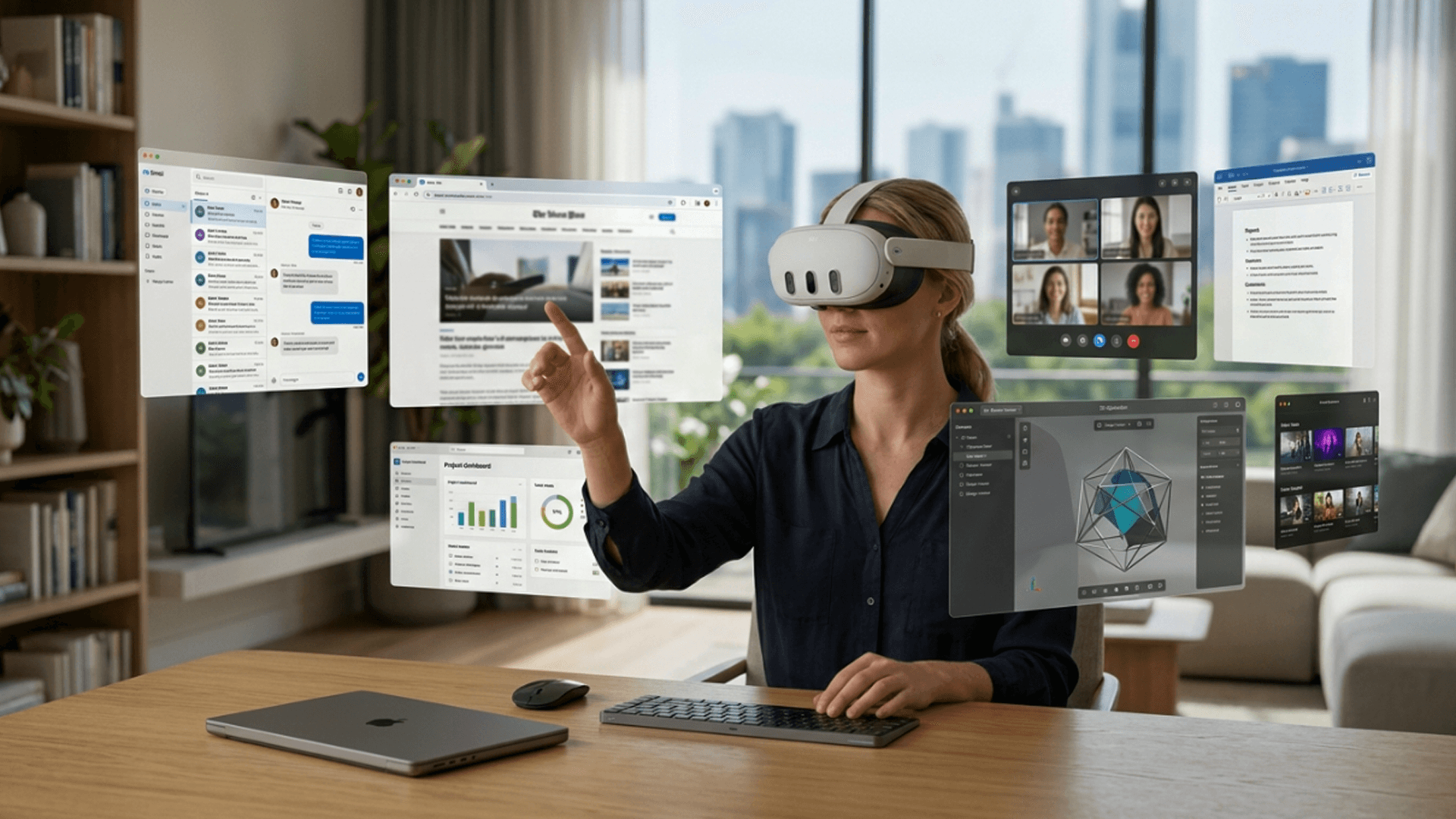
In today’s rapidly evolving digital landscape, immersive technologies such as Virtual Reality (VR) and Mixed Reality (MR) are no longer mere figments of science fiction—they’ve become essential tools in the marketing arsenal. Brands are actively harnessing these advanced technologies to engage consumers in ways that far exceed the limitations of traditional advertising. The transformative power of VR and MR enables consumers to interact, explore, and experience a product or service in a simulated environment before making a purchase decision. This innovative approach creates a dynamic shift in the consumer-brand relationship, fostering deeper emotional connections. VR and MR have unlocked an era of multi-sensory engagement, revolutionizing the marketing landscape and leaving behind the passive nature of older techniques that often fail to captivate audiences.
Shifting from Traditional to Immersive Marketing Approaches
While traditional marketing channels—such as TV commercials, print ads, and digital banners—continue to hold relevance, they are increasingly being overshadowed by the captivating allure of immersive marketing strategies. These approaches place the consumer at the very heart of the narrative, crafting experiences that foster emotional connections and deeper engagement, something static content struggles to achieve. This significant shift marks a pivotal moment in marketing, where storytelling evolves into an interactive adventure, blurring the lines between content consumer and active participant. Brands that proactively embrace this evolution not only stay ahead of the competition but also capture the curiosity and imagination of modern audiences, who crave innovative experiences that resonate on a personal level.
Overview of Virtual Reality (VR) and Mixed Reality (MR) as Tools for Engagement
Virtual Reality (VR) provides an all-encompassing digital world, effectively disconnecting users from their physical surroundings and immersing them in richly crafted brand environments. This total immersion invites users to engage with a brand on an unprecedented level. In contrast, Mixed Reality (MR) offers a unique blend of the digital and the real, overlaying interactive content onto the physical world through devices like augmented reality glasses. Together, VR and MR empower brands to design a diverse range of immersive encounters—from virtual store visits that allow consumers to browse and shop in a simulated environment to augmented product demonstrations that showcase features in real-world settings. This innovative blend of technologies bridges the gap between imagination and reality, transforming the way brands connect with consumers and fundamentally changing the marketing landscape.
Exploring the Power of Immersive Marketing
What Makes VR and MR Effective in Capturing Consumer Attention?
Immersive marketing thrives on presence—the psychological sense of “being there” within a virtual or augmented environment. This sense of immersion plays a crucial role in engaging consumers, as it transforms passive observation into active participation. When consumers feel like they are integral parts of a narrative, their attention deepens, and brand recall significantly increases. The novelty factor associated with VR and MR further amplifies this engagement; these technologies introduce elements of surprise and interactivity that are rarely found in traditional marketing. Interactive touchpoints—such as trying on virtual outfits or navigating a 3D version of a resort—transform passive observers into engaged users, fostering both curiosity and excitement. As consumers explore these immersive experiences, they develop a stronger emotional connection to the brand, enhancing loyalty and the likelihood of future purchases.
Immersive Storytelling: Creating Experiences, Not Just Ads
In stark contrast to traditional advertising, which primarily tells, immersive experiences showcase. VR and MR empower brands to craft rich narratives that consumers can actively participate in, leaving an indelible mark on their memories. Imagine launching a new sneaker line not through conventional commercials, but by inviting users to race virtually in those sneakers, experiencing their features and benefits firsthand. This form of storytelling flips the traditional script—immersing the audience in the brand’s narrative and fostering deeper emotional investment. By engaging the senses and allowing consumers to interact with the story, brands create memorable experiences that resonate long after the interaction ends. This not only enhances brand recall but also encourages sharing, as consumers are likely to discuss and recommend experiences that captivated them.
Overcoming the Limitations of Conventional Marketing Channels
While conventional marketing channels are often confined by format, medium, and geographical limitations, VR and MR offer a liberating alternative. These immersive technologies eliminate many of the constraints that traditional advertising faces. An immersive campaign can bypass geographical barriers, allowing brands to reach audiences worldwide. For instance, a virtual art gallery can be accessed from any corner of the globe, inviting art lovers to explore masterpieces without the need for physical travel. Similarly, a mixed-reality car showroom can provide potential buyers with a hands-on experience of the latest models without requiring them to visit a physical location. By recreating scenarios that are impractical or impossible in real life, VR and MR empower brands to transcend time, space, and physical boundaries, effectively redefining consumer engagement and marketing strategies.
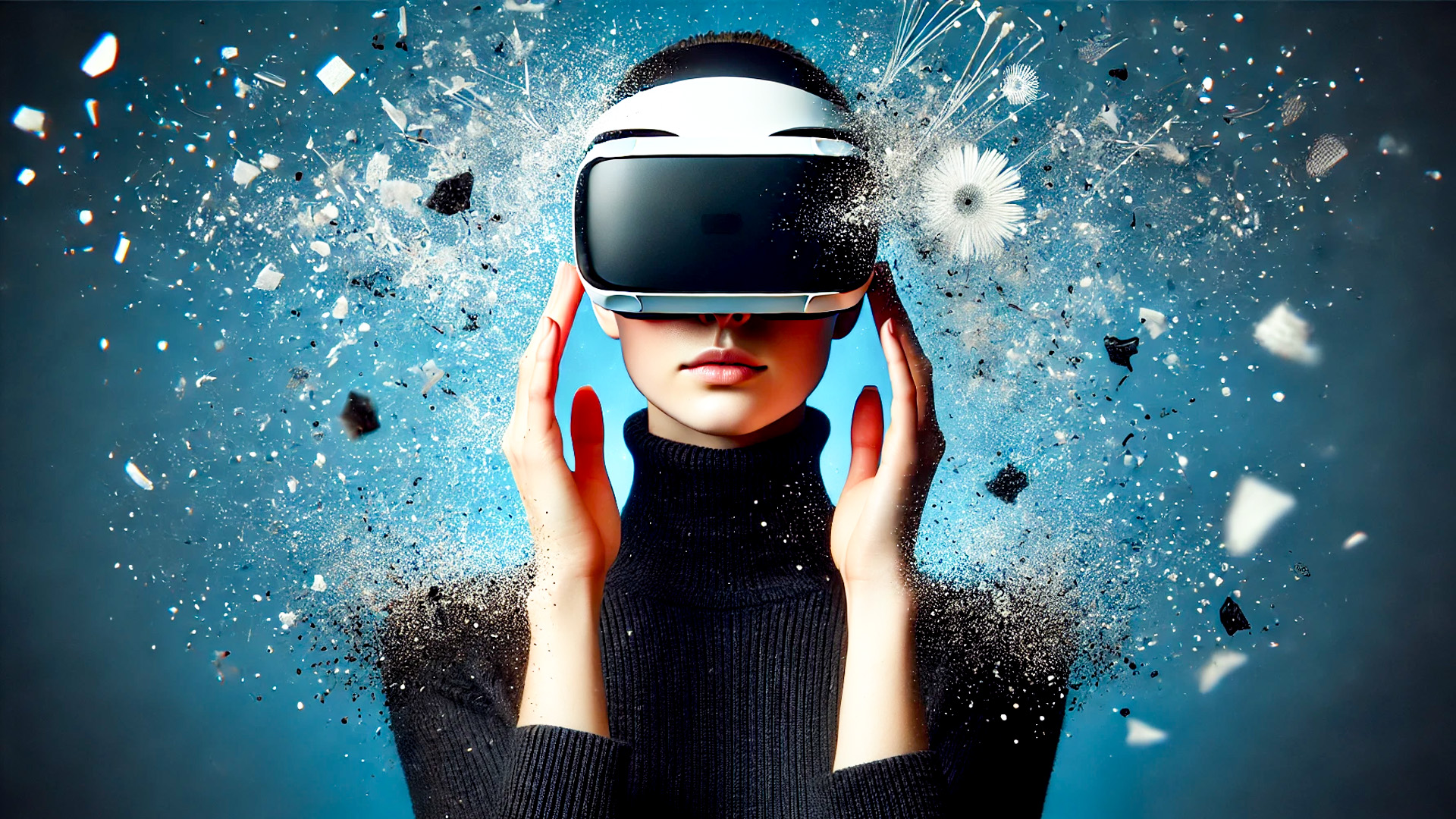
The Rise Of Immersive Technologies In Modern Marketing
How Brands Are Innovating with Virtual and Mixed Reality
Showrooms of the Future: Virtual Retail and Product Demos
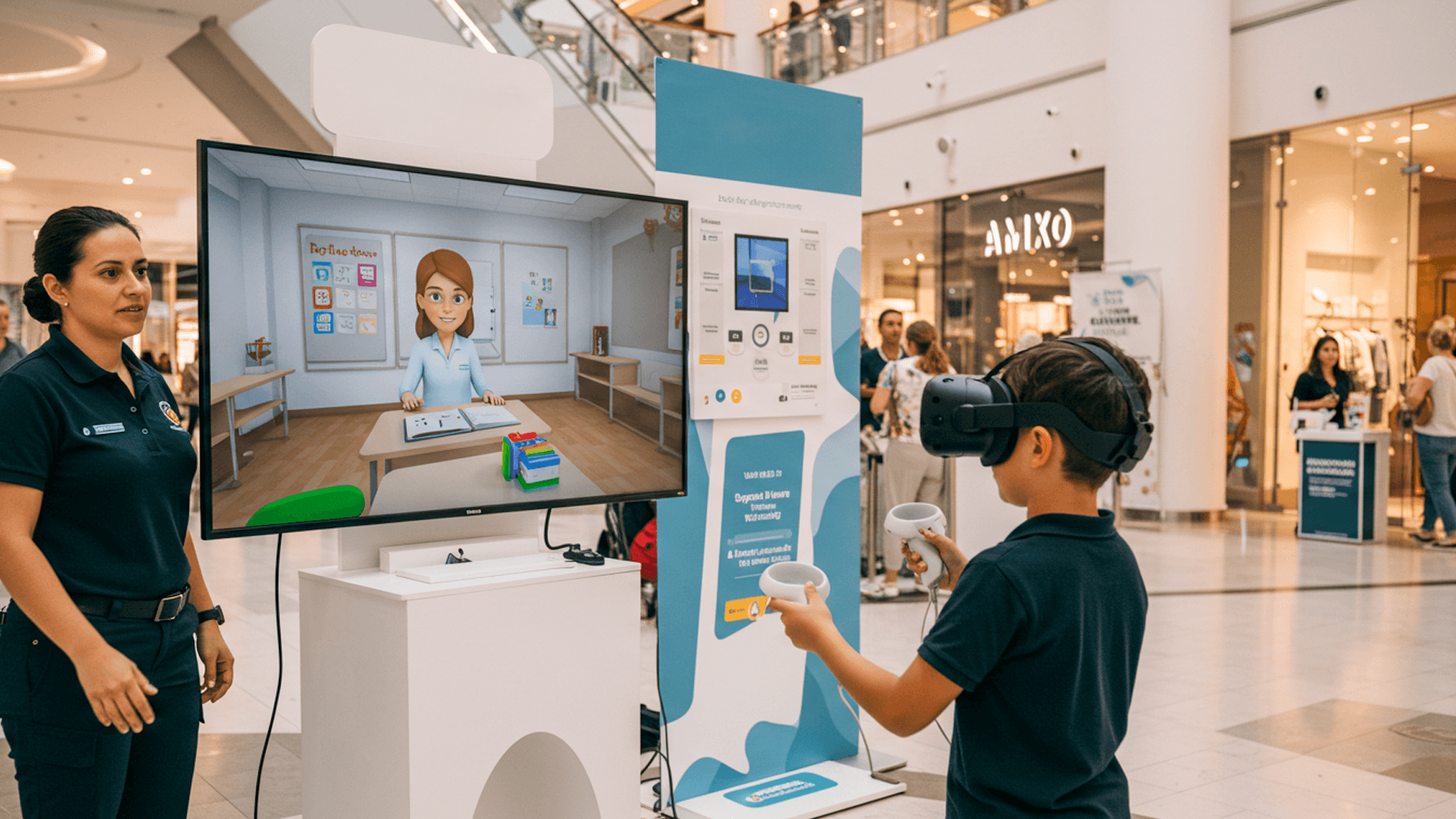
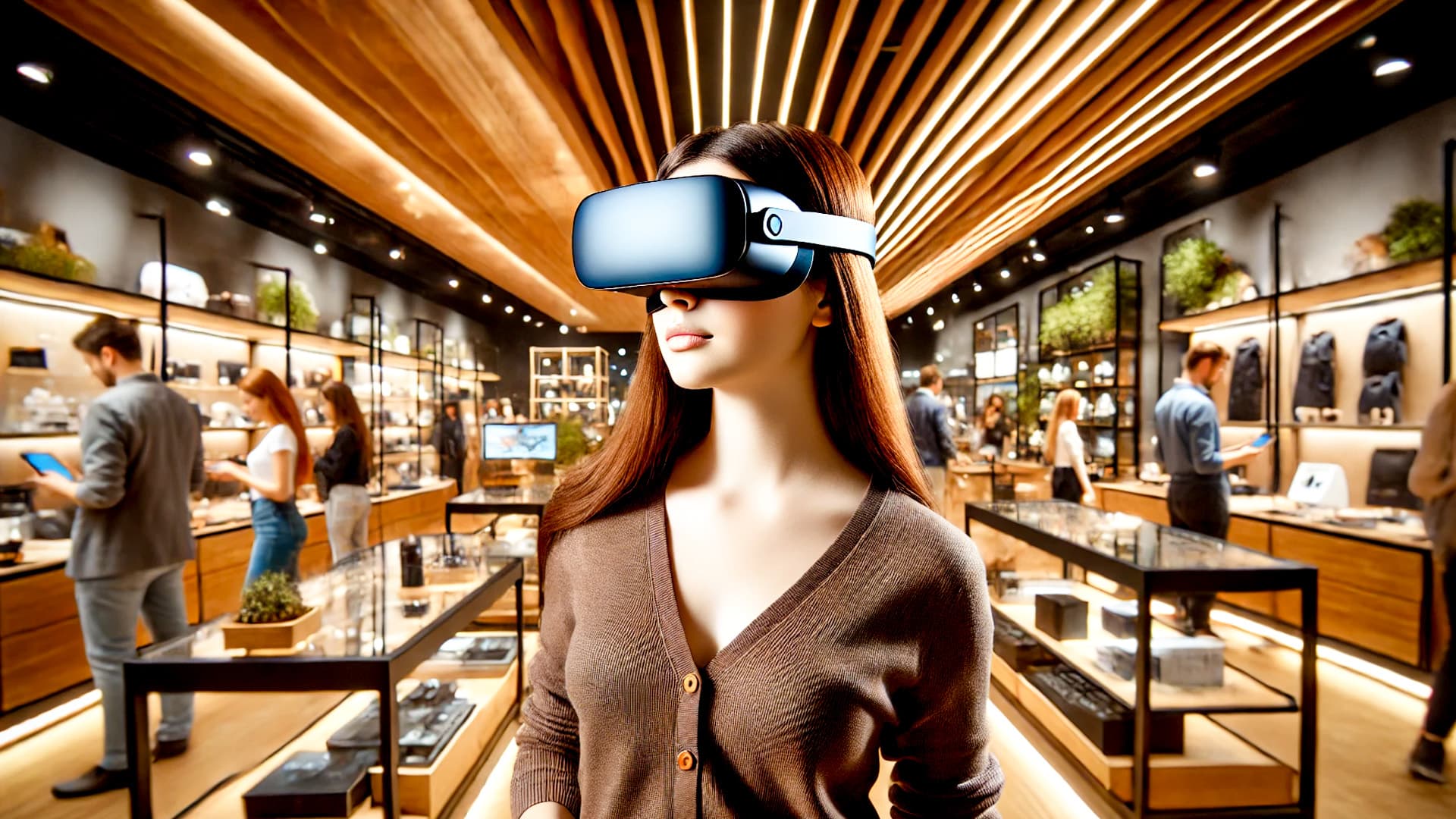
The retail landscape is undergoing a significant transformation with the advent of virtual showrooms, enabling customers to explore product collections in intricate detail without ever leaving their homes. Leading brands like IKEA and Sephora are at the forefront of this shift, leveraging Virtual Reality (VR) and Augmented Reality (AR) technologies to offer innovative product demonstrations. For example, customers can visualize IKEA furniture in their own living spaces, using AR apps that allow them to see how a sofa or table would look in their homes. Similarly, Sephora's virtual try-on feature enables users to experiment with different makeup products, creating a personalized experience that enhances the shopping journey. These futuristic showrooms not only empower customers to make informed decisions by providing a near-tactile feel of the products but also help reduce return rates. By offering a more immersive experience, brands can bridge the gap between online shopping and the tactile nature of in-store experiences, ultimately leading to higher customer satisfaction and loyalty.
MR-Powered Events and Launches: Going Beyond Physical Boundaries
In this new era of marketing, product launches no longer need to be confined to physical venues, thanks to the rise of mixed-reality (MR) events. These hybrid experiences allow brands to host engaging events where virtual attendees can interact with physical objects and vice versa, breaking down geographical barriers. For instance, fashion brands can organize AR runway shows, enabling viewers to see garments from every angle in their own space and even “try on” clothing digitally. This innovative approach not only provides a unique viewing experience but also allows brands to reach a wider audience than ever before. By integrating both physical and digital elements, these mixed-reality experiences create buzz and build hype, effectively connecting with a global audience simultaneously. Brands can engage consumers in real-time, enhancing brand visibility and fostering a sense of community around product launches.
Gamified Marketing Campaigns: Engaging Customers Through Play
Gamification has long been recognized as an effective tactic to boost engagement, but the incorporation of VR and MR technologies takes it to a whole new level. Brands are increasingly creating interactive games designed to promote their products, turning marketing into an enjoyable and rewarding experience. For example, automotive companies have begun offering virtual test drives where users can explore vehicles in a game-like environment, allowing potential buyers to experience the car's features and performance firsthand. By integrating elements of play into marketing strategies, brands tap into the power of intrinsic motivation, driving deeper engagement and encouraging participation. This approach not only captures attention but also fosters a positive association with the brand, as consumers enjoy the process of discovery and exploration. Ultimately, gamified marketing campaigns cultivate a more immersive brand experience, leading to stronger connections and increased loyalty among consumers.
Driving Deeper Customer Engagement with VR and MR
Personalized Immersive Journeys: Tailoring Experiences for Individuals
The rise of immersive technologies is revolutionizing the concept of hyper-personalization in marketing. Brands can now collect and analyze consumer data to curate unique experiences that are specifically tailored to individual preferences and behaviors. For instance, a virtual fashion assistant can recommend outfits based on a user's style history, body type, and even current trends. Similarly, a personalized virtual home tour allows customers to visualize how different furniture pieces might fit into their own living spaces. These customized interactions not only make customers feel valued but also create a more engaging shopping experience. When brands invest in personalizing these journeys, they significantly strengthen brand affinity, fostering lasting relationships that go beyond a single transaction. This sense of individual attention transforms casual shoppers into loyal brand advocates who are more likely to share their positive experiences with others.
Emotional Connections through Real-Time Interactions in Virtual Spaces
Real-time interactions within virtual environments significantly heighten emotional resonance and deepen consumer engagement. Take VR concerts, for example: they provide not just visual immersion but also a unique communal experience that allows fans to connect with artists and fellow attendees in ways that were previously unimaginable. Attendees can interact, cheer, and even dance together in a shared virtual space, creating memorable emotional imprints that last long after the event concludes. Such powerful experiences not only entertain but also forge stronger emotional ties between consumers and brands, enhancing overall brand loyalty. When individuals feel a genuine emotional connection to a brand through immersive, real-time interactions, they are more likely to remain loyal and support the brand in the future.
Case Studies of Brands that Successfully Created Memorable Experiences
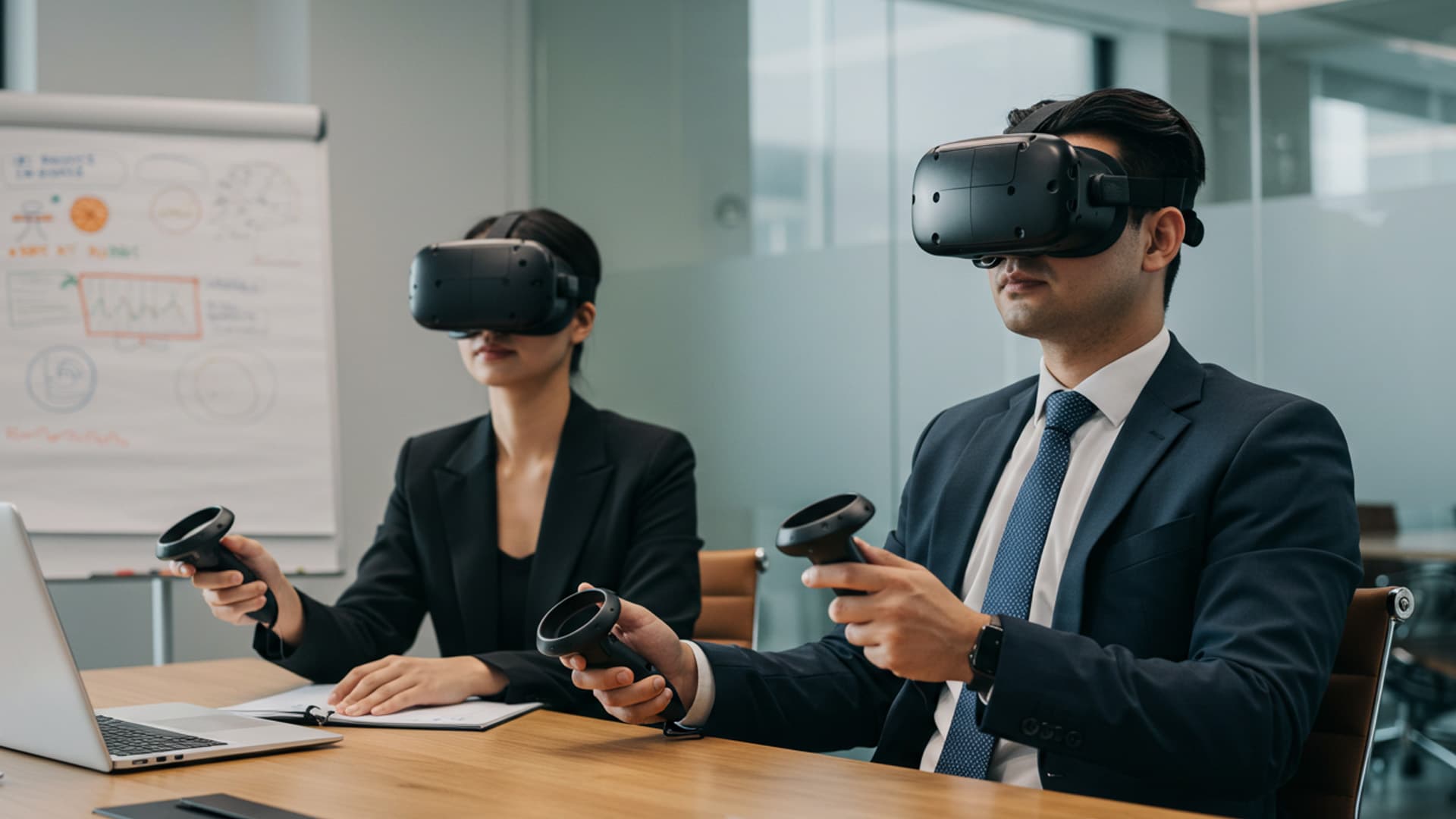
Brands across various industries are increasingly embracing VR and MR technologies, with notable success stories illustrating their impact. Nike’s “Reactland” campaign, for instance, transported users into an engaging virtual game world where they could test the new React running shoes while navigating fun challenges and obstacles. This gamified experience captivated participants, making the product experience memorable and exciting. Similarly, automotive brands like Audi have harnessed VR technology to offer virtual test drive simulations, providing potential customers with an opportunity to experience the feel of the road without ever setting foot in a vehicle. These immersive experiences not only forge stronger connections between consumers and brands but also effectively drive sales by creating a compelling reason for customers to choose their products. Such case studies highlight the transformative power of immersive technologies in creating memorable brand interactions, ultimately reshaping how companies connect with their audiences.
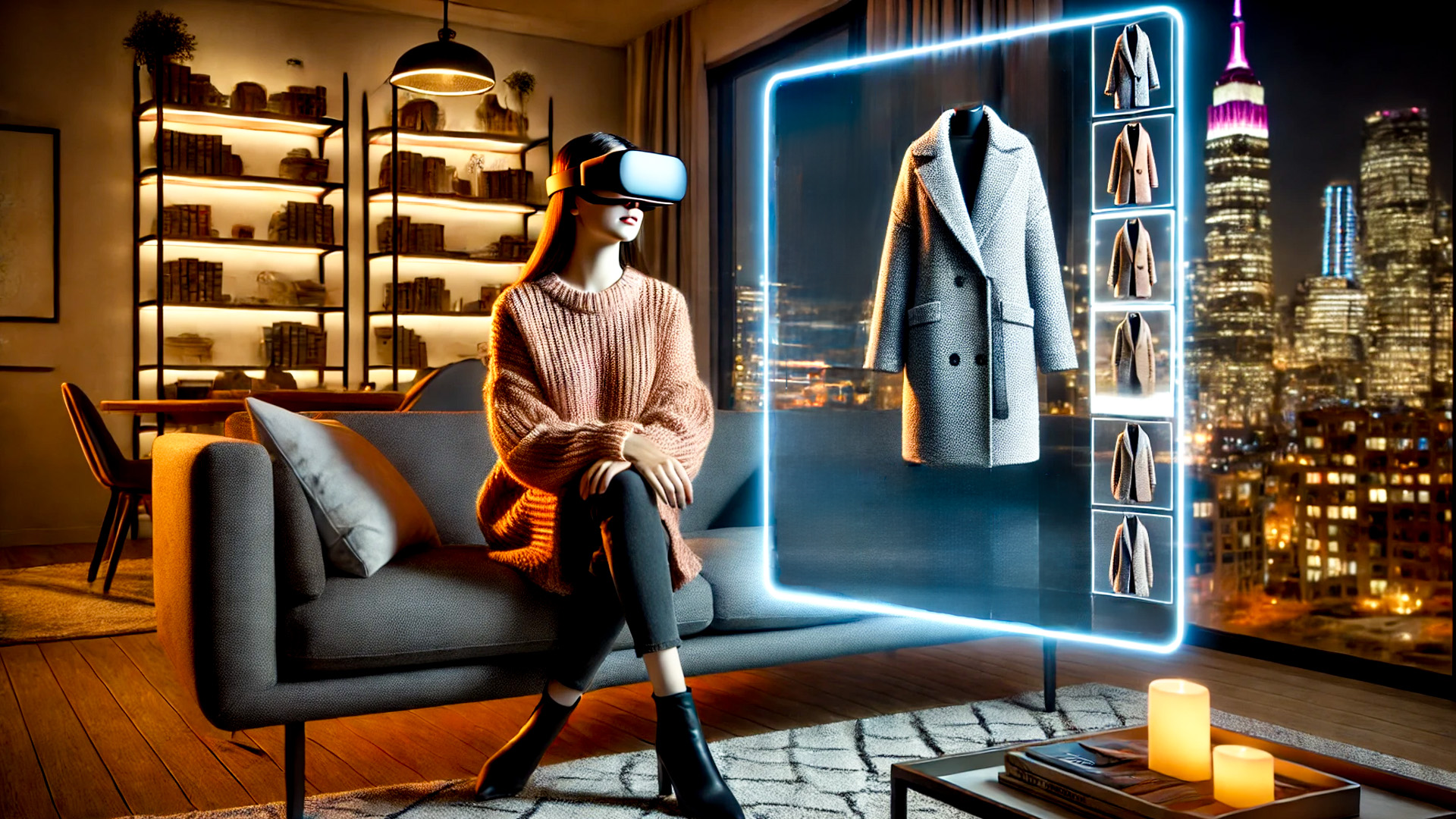
How Brands Are Innovating With Virtual And Mixed Reality
Impact on Brand Perception and Loyalty
Strengthening Customer Relationships with Memorable Immersive Interactions
A brand that offers immersive experiences creates unforgettable moments that resonate deeply with consumers. Virtual Reality (VR) and Mixed Reality (MR) interactions engage multiple senses—sight, sound, and even touch—allowing customers to experience products or services in a rich and meaningful way. This multi-sensory engagement fosters a deeper emotional bond between the brand and the consumer, making these experiences significantly more memorable than traditional marketing methods. Such immersive interactions transcend the mere transactional nature of typical consumer relationships, paving the way for emotional equity that transforms customers into lifelong brand advocates. When consumers feel a genuine connection to a brand through immersive experiences, they are more likely to return, recommend, and advocate for the brand, reinforcing a cycle of loyalty and engagement that benefits both parties.
Building Trust and Credibility through Transparent Virtual Campaigns
In today’s consumer landscape, transparency has become a cornerstone of trust and credibility. Brands leveraging VR and MR technologies can provide behind-the-scenes glimpses into their operations or create interactive tutorials that showcase the origins and ethical considerations of their products. For instance, a cosmetics brand might offer a virtual tour of its sourcing processes, illustrating its commitment to sustainability and ethical practices. This level of transparency not only builds trust but also reinforces the brand's core values and commitment to authenticity. Consumers today appreciate honesty and are more likely to support brands that are open about their practices. Immersive campaigns that highlight transparency resonate more strongly with audiences, creating a foundation of trust that enhances brand reputation and fosters long-term relationships.
Encouraging Brand Advocacy through Social Sharing of VR/MR Experiences
Immersive experiences possess a unique viral quality—consumers are eager to share their distinctive encounters with friends and followers. VR and MR campaigns often incorporate elements that encourage participants to share their experiences on social media platforms, transforming them into enthusiastic brand advocates. For example, a brand could create a virtual scavenger hunt that encourages participants to document their progress and share their achievements online. Such user-generated content amplifies the brand's reach organically, tapping into the influence of peer recommendations and creating a ripple effect that attracts new customers. The shared excitement surrounding immersive experiences not only enhances brand visibility but also cultivates a community of loyal customers who actively promote the brand. By fostering this culture of sharing, brands can leverage the power of social networks to expand their audience and strengthen their market presence.
Challenges and Opportunities for Marketers Embracing Immersive Technologies
Balancing Cost, Accessibility, and Return on Investment
While immersive technologies such as Virtual Reality (VR), Augmented Reality (AR), and Mixed Reality (MR) offer immense potential for enhancing customer engagement, they also present significant challenges. The initial investment required for high-quality VR headsets, AR glasses, and MR platforms can be substantial, and not all consumers have access to these technologies. This disparity can create barriers to engagement, limiting the reach of immersive marketing campaigns. As such, brands must find the right balance between offering cutting-edge experiences and ensuring accessibility for a broader audience. By exploring alternative solutions, such as web-based AR experiences that don’t require special hardware or creating content compatible with more widely used devices, brands can maximize their return on investment (ROI) while still delivering engaging interactions. Additionally, focusing on cost-effective strategies, such as leveraging existing technologies in innovative ways, can help brands navigate the financial landscape of immersive marketing without sacrificing quality or engagement.
Ensuring Seamless User Experiences Across Devices and Platforms
Fragmentation across devices and platforms can significantly disrupt immersive experiences, leading to frustration and disengagement among users. To succeed in this competitive landscape, brands must ensure smooth cross-platform experiences, whether consumers are engaging through VR headsets, smartphones, tablets, or desktops. Seamlessness is essential for maintaining immersion and keeping users engaged from start to finish. This can be achieved by developing responsive design strategies that adapt content to various devices and optimizing performance to reduce load times and enhance interactivity. Brands should also conduct thorough testing across different platforms to identify and address potential issues before launch. By prioritizing user experience and ensuring that immersive interactions are consistent and intuitive, brands can enhance customer satisfaction and encourage repeat engagement.
Future-Proofing Marketing Strategies with Technological Advancements
In an era where technology evolves at an unprecedented pace, today’s immersive platforms may quickly become obsolete. To remain competitive, brands must future-proof their marketing strategies by staying ahead of emerging trends and investing in adaptable technologies. This involves not only keeping an eye on the latest developments in immersive tech but also actively seeking out innovative solutions that can enhance marketing efforts. The adoption of modular software and open ecosystems can facilitate continuous innovation, allowing brands to update their immersive campaigns as new capabilities emerge. By embracing flexibility and scalability in their marketing strategies, brands can ensure that their immersive experiences remain relevant and effective, ultimately leading to sustained engagement and loyalty in a rapidly changing landscape.

Challenges And Opportunities For Marketers Embracing Immersive Technologies
The Future of Marketing in an Immersive World
Forecasting the Evolution of VR and MR in Marketing
As Virtual Reality (VR) and Mixed Reality (MR) technologies continue to advance, marketing strategies will inevitably evolve in parallel. Innovations such as spatial computing, brain-computer interfaces, and widespread adoption of 5G networks will pave the way for deeper immersion and more sophisticated real-time interactions. These technological advancements will enable brands to create experiences that are not only more engaging but also more personalized. For instance, spatial computing can allow for interactive environments where consumers can navigate product features in 3D, while brain-computer interfaces could facilitate intuitive interactions that respond to users’ thoughts or emotions. Brands must prepare for a future where the boundaries between digital and physical marketing blur entirely, necessitating new strategies that seamlessly integrate immersive experiences into traditional marketing frameworks. Embracing this shift will allow brands to stay ahead of the curve and meet the evolving needs of their audiences.
Potential Collaboration between Brands and the Metaverse
The metaverse presents limitless potential for brand collaboration, offering an expansive digital landscape where companies can explore innovative marketing avenues. Virtual storefronts, branded experiences, and digital assets are rapidly becoming mainstream in these virtual worlds. Brands that successfully integrate their identity and offerings into metaverse platforms will not only gain access to new audiences but will also redefine consumer engagement. For example, collaborations between brands can lead to unique virtual events or co-branded experiences that amplify visibility and foster community interaction. As users immerse themselves in the metaverse, they will expect brands to create interactive and meaningful experiences that resonate with their lifestyles. By embracing the metaverse, brands can leverage its immersive nature to build lasting relationships and community ties, fostering a sense of belonging that extends beyond conventional marketing.
Preparing for the Next Wave of Immersive Consumer Expectations
As technology advances, consumer expectations are also in a constant state of evolution. The next generation of consumers, influenced by the proliferation of digital experiences, will demand immersive interactions as a standard rather than a novelty. Brands that anticipate these expectations and integrate VR and MR into their core marketing strategies will be better positioned to thrive in the ever-changing landscape. This means not only adopting immersive technologies but also continuously innovating to enhance the user experience. Companies will need to prioritize personalization, interactivity, and accessibility to meet the diverse needs of consumers. By fostering a culture of adaptability and innovation, brands can ensure they remain relevant and resonate with audiences who increasingly value immersive experiences in their interactions with brands. As these expectations evolve, businesses that lead the charge in immersive marketing will set themselves apart in a competitive marketplace.
Recapping the Key Benefits of VR and MR in Marketing Strategies
Virtual Reality (VR) and Mixed Reality (MR) are fundamentally revolutionizing marketing by offering immersive experiences that captivate, engage, and inspire consumers in ways that traditional marketing techniques simply cannot match. These technologies allow brands to create virtual showrooms, where potential customers can explore products in a highly interactive and visually engaging environment, making the shopping experience more intuitive and enjoyable. Additionally, gamified campaigns leverage the power of play, turning marketing into an engaging experience that motivates consumer participation and fosters deeper connections with the brand. By utilizing VR and MR, brands can tap into multi-sensory engagement, which enhances memory retention and emotional resonance, ultimately leading to stronger customer loyalty. Furthermore, these immersive technologies provide valuable data insights that can inform future marketing strategies, ensuring that brands remain agile and responsive to consumer preferences.
Final Thoughts on Embracing Immersive Technologies for Lasting Impact
Immersive technologies are not merely a fleeting trend—they are the future of marketing. As consumers increasingly seek out memorable experiences over conventional advertising, brands that embrace VR and MR now will play a crucial role in shaping the future of consumer engagement. By investing in these innovative technologies, companies can build loyalty and trust in a market where emotional connections matter more than ever. The time to explore these transformative tools is now, as early adopters will not only reap immediate rewards but also position themselves at the forefront of the marketing revolution. As immersive experiences continue to evolve and become more accessible, brands that prioritize the integration of VR and MR into their marketing strategies will be well-equipped to meet the demands of a new generation of consumers, ultimately ensuring long-term success in a dynamic and competitive landscape.
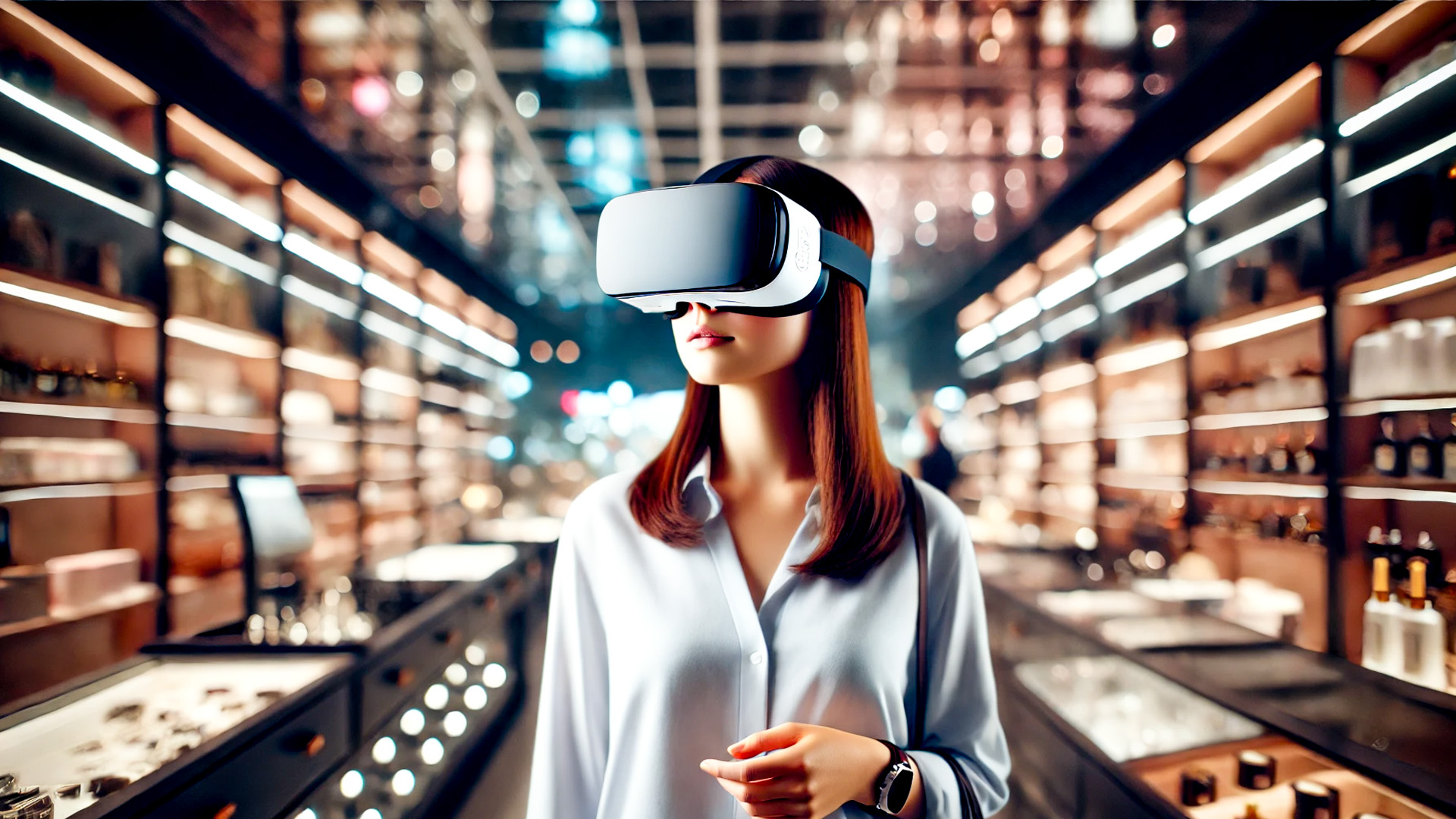
The Future Of Marketing In An Immersive World