The world of technology is in constant flux, with new innovations emerging at an unprecedented pace. Among these advancements, Extended Reality (XR) has carved out a prominent niche. XR is an umbrella term that encompasses various immersive technologies, including Augmented Reality (AR), Virtual Reality (VR), and Mixed Reality (MR). Each of these technologies offers unique ways to blend digital content with the real world, yet they serve different purposes and provide varying levels of immersion. Understanding the distinctions between these technologies, particularly AR and MR, is vital for anyone looking to navigate the rapidly evolving digital landscape.
Defining Extended Reality (XR)
Overview of XR and its components: AR, VR, MR
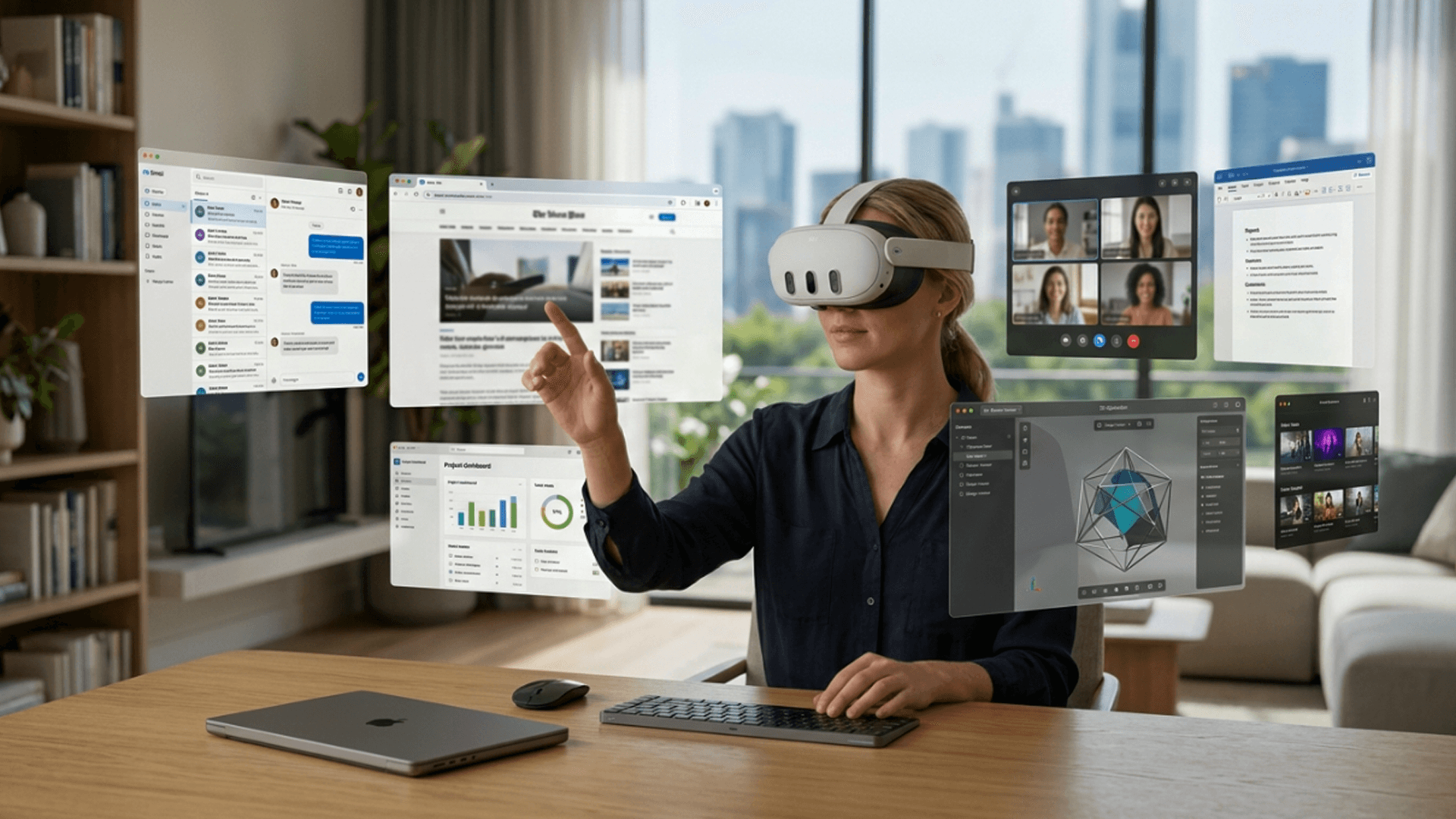
Extended Reality (XR) represents the convergence of the physical and digital worlds, offering new ways to experience and interact with our environment. XR is composed of three primary technologies: Augmented Reality (AR), Virtual Reality (VR), and Mixed Reality (MR). Each serves a specific function within the XR spectrum. AR overlays digital information onto the physical world, enhancing the user's perception without fully immersing them in a digital environment. VR, on the other hand, creates a completely immersive digital experience, isolating the user from the physical world. MR blends the two, allowing digital objects to interact with the physical environment in real-time, creating a hybrid experience.
Why it’s essential to distinguish between AR and MR
While AR and MR might seem similar at first glance, they are fundamentally different in how they interact with the physical world. AR enhances reality by adding digital elements to it, whereas MR creates a new reality where digital and physical elements coexist and interact. This distinction is crucial because it affects how these technologies are applied across various industries. Understanding the nuances between AR and MR allows businesses, developers, and consumers to choose the right technology for their specific needs, leading to more effective and innovative applications.
Importance of Understanding AR and MR
Growing adoption in various industries
The adoption of AR and MR technologies is accelerating across multiple sectors, from retail and healthcare to education and manufacturing. Companies are increasingly recognizing the potential of these technologies to enhance customer experiences, improve operational efficiency, and create new avenues for learning and collaboration. As AR and MR become more integrated into daily operations, understanding their capabilities and differences becomes essential for staying competitive in the digital age.
The potential impact on technology, education, and entertainment
AR and MR are not just tools for industry; they are poised to revolutionize how we interact with technology, learn, and entertain ourselves. In education, AR can turn textbooks into interactive learning tools, while MR can create immersive simulations that provide hands-on experience without the need for physical resources. In entertainment, these technologies are pushing the boundaries of storytelling and game design, creating experiences that were once the stuff of science fiction. The impact of AR and MR extends far beyond novelty, offering transformative potential across various aspects of life.
Defining Extended Reality Xr
What is Augmented Reality (AR)?
Basics of Augmented Reality
Definition: Overlaying digital information onto the real world
Augmented Reality (AR) is a technology that superimposes digital content—such as images, videos, or data—onto the physical world. Unlike VR, which immerses users in a completely virtual environment, AR enhances the real world by adding digital elements to it. These digital overlays are typically viewed through devices like smartphones, tablets, or AR glasses, which use cameras and sensors to integrate the virtual content seamlessly with the real-world environment.
Common devices used: Smartphones, tablets, AR glasses
AR is accessible through a variety of devices, making it one of the most widely used XR technologies. The most common AR devices are smartphones and tablets, which utilize their built-in cameras and sensors to display AR content. Additionally, AR glasses, such as Microsoft’s HoloLens or Google Glass, offer a more immersive experience by allowing users to view and interact with digital content hands-free, directly in their field of vision.
Key Features of AR
Integration of digital elements with the physical environment
One of AR's most distinctive features is its ability to integrate digital elements into the physical world in real-time. This integration allows users to see and interact with both virtual and real objects simultaneously. For example, an AR app might place a digital character on a physical table, making it appear as though the character is part of the real environment.
Interactivity with real-world objects
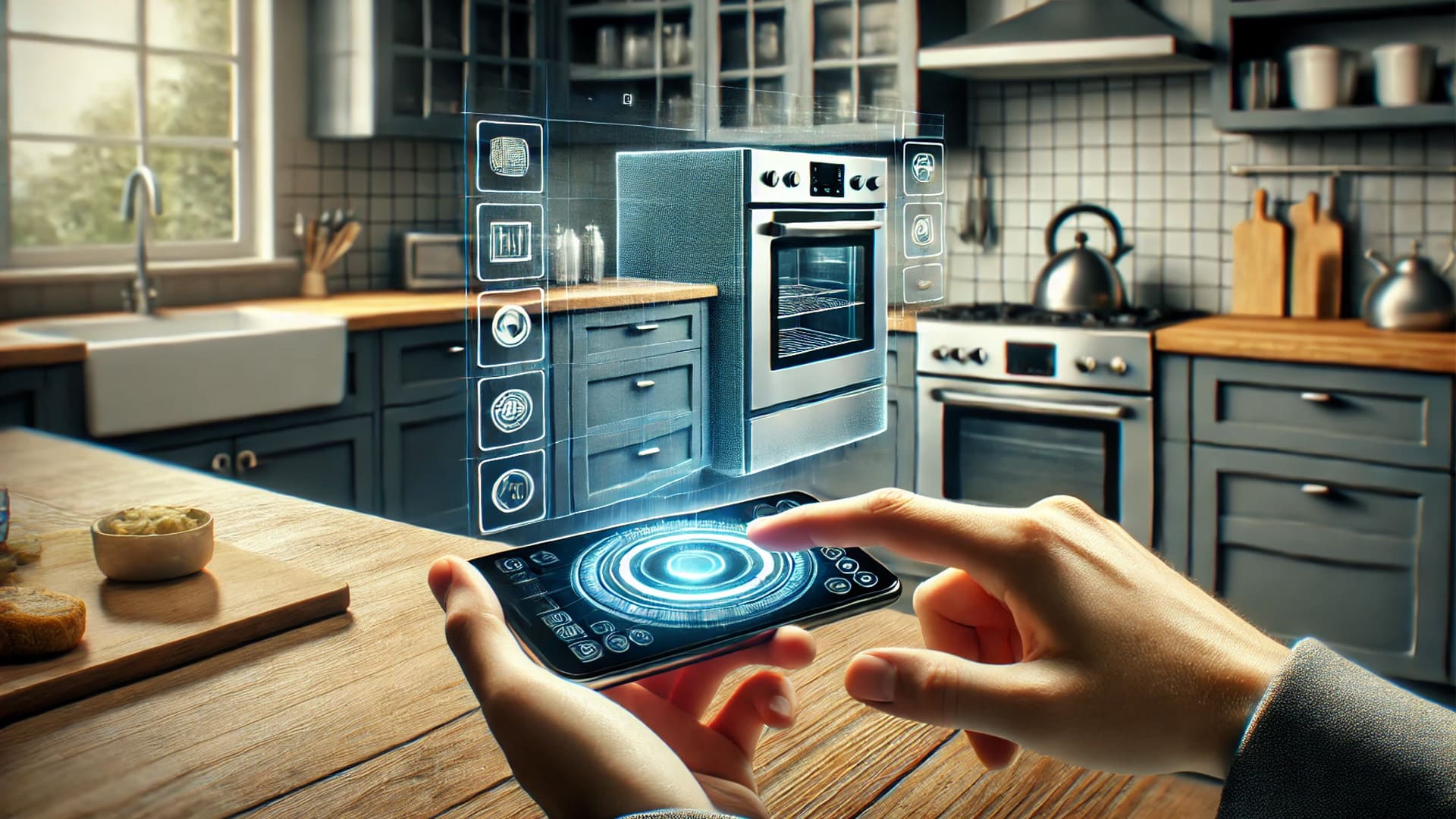
AR goes beyond merely displaying digital content; it allows users to interact with it in meaningful ways. For instance, in retail, customers can use AR to visualize how a piece of furniture would look in their home, moving it around and viewing it from different angles. This interactivity enhances the user experience and provides practical benefits, such as aiding in decision-making.
User accessibility and ease of use
AR's widespread adoption is largely due to its accessibility and ease of use. Since AR experiences can be delivered through devices that most people already own, such as smartphones and tablets, the barrier to entry is relatively low. Users do not need specialized equipment to access AR content, making it an attractive option for both consumers and developers.
Popular AR Technologies
ARKit, ARCore, and WebAR
Several platforms have been developed to create AR experiences, with Apple’s ARKit and Google’s ARCore being the most prominent. ARKit is designed for iOS devices and allows developers to create AR apps that can recognize and interact with the real world. ARCore is Google’s counterpart, designed for Android devices, offering similar capabilities. Additionally, WebAR is an emerging platform that enables AR experiences directly within web browsers, eliminating the need for users to download separate apps.
Examples of well-known AR applications: Pokémon GO, IKEA Place
AR has found its way into many popular applications, with Pokémon GO being one of the most notable examples. This game uses AR to place virtual Pokémon in the real world, which players can catch by moving around their physical environment. Another example is IKEA Place, an app that allows users to visualize furniture in their homes using AR, helping them make more informed purchasing decisions.
What Is Augmented Reality Ar
What is Mixed Reality (MR)?
Basics of Mixed Reality
Definition: Blending real and virtual worlds to create new environments
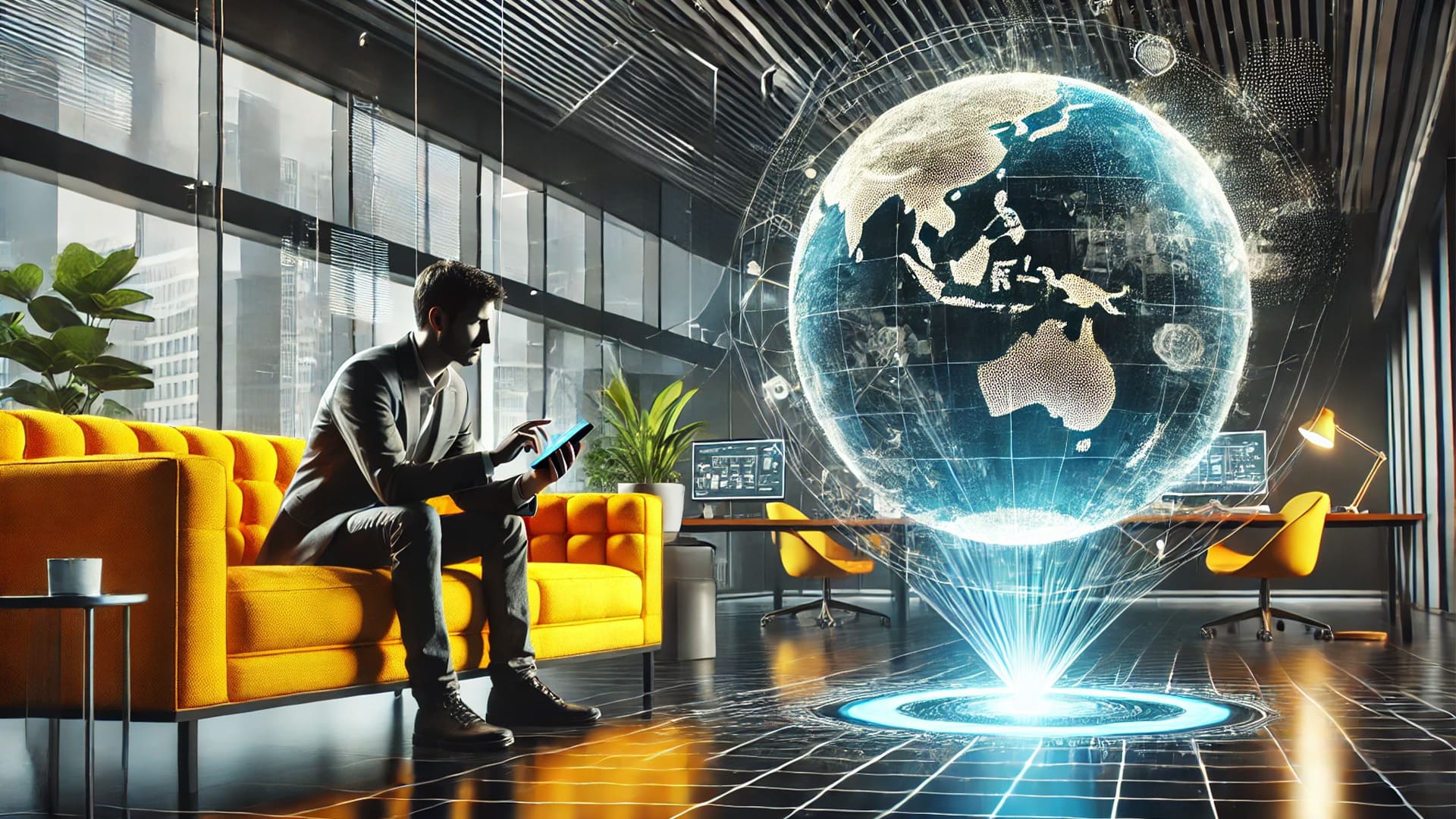
Mixed Reality (MR) takes the concept of AR a step further by not just overlaying digital content onto the physical world, but blending the two to create a new, interactive environment. In MR, digital objects are not just visual overlays; they are aware of and can interact with the physical environment. This creates a seamless experience where the boundaries between the real and virtual worlds are blurred, allowing for more complex and immersive interactions.
The role of spatial awareness and environmental understanding
A key aspect of MR is spatial awareness—the ability of digital objects to understand and interact with the physical space they occupy. This requires advanced sensors and computing power, which enable MR devices to map the physical environment and anchor digital content within it. For example, in an MR experience, a digital object could be placed on a real table, move around it, and even be obscured by other physical objects, creating a convincing illusion of reality.
Key Features of MR
Immersive interaction between physical and digital objects
MR allows for a level of interaction that goes beyond what is possible with AR. In MR, digital objects can respond to and interact with physical objects and the user. For example, an MR application could allow a user to manipulate a virtual object using physical gestures, with the virtual object responding in real-time as if it were a physical entity. This creates an immersive experience that is more engaging and interactive than traditional AR.
Persistence of digital objects in the real world
In MR, digital objects have persistence, meaning they remain in the physical space even as the user moves around. For example, if a user places a virtual lamp on a real table, that lamp will stay in place, visible from different angles and distances, just like a real object. This persistence enhances the realism of MR experiences, making them more convincing and useful in practical applications.
Requirement for more advanced hardware: HoloLens, Magic Leap
Because of its complexity, MR requires more advanced hardware than AR. Devices like Microsoft’s HoloLens and Magic Leap One are equipped with a range of sensors and cameras that allow them to map the physical environment and interact with it in real-time. These devices also have more processing power to handle the complex computations required for MR, making them more expensive and less accessible than the smartphones and tablets used for AR.
Popular MR Technologies
Microsoft’s HoloLens and its ecosystem
Microsoft’s HoloLens is one of the most advanced MR devices available today. It offers a wide field of view, high-resolution displays, and advanced spatial mapping capabilities. The HoloLens is used in various industries, from healthcare to engineering, for tasks that require a high level of precision and interaction with both digital and physical objects. Microsoft has also developed an ecosystem around the HoloLens, with tools and platforms that allow developers to create custom MR applications.
MR development platforms: Unreal Engine, Unity
To create MR experiences, developers often use platforms like Unreal Engine and Unity. These platforms offer powerful tools for creating immersive 3D environments and interactive digital objects. Both Unreal Engine and Unity support MR development, providing developers with the resources they need to create sophisticated MR applications that can run on devices like the HoloLens and Magic Leap One.
What Is Mixed Reality Mr
Augmented Reality vs. Mixed Reality: Understanding the Core Differences
Degrees of Immersion and Interaction
How AR overlays vs. MR integrates with the physical world
The primary difference between AR and MR lies in how they interact with the physical world. AR overlays digital content on top of the real world, enhancing what the user sees without fundamentally altering it. In contrast, MR integrates digital content with the physical world, allowing for more complex interactions where digital and physical objects can influence each other. This difference results in varying levels of immersion, with MR providing a more deeply integrated and interactive experience.
The level of user engagement and environmental interaction
Because MR allows for more interaction
between digital and physical objects, it tends to offer a higher level of user engagement compared to AR. In MR, users can manipulate digital objects as if they were real, and these objects can respond to the physical environment. This creates a more immersive and engaging experience, where users feel as though they are part of a blended reality, rather than merely observing digital content overlaid on the real world.
Hardware Requirements and Accessibility
Comparing the devices needed for AR and MR experiences
The hardware requirements for AR and MR are another key difference. AR experiences can be accessed using relatively simple devices like smartphones and tablets, which most people already own. MR, however, requires more advanced hardware, such as the HoloLens or Magic Leap, which have the necessary sensors and processing power to map and interact with the physical environment. This makes MR less accessible to the general public, though it offers more advanced capabilities for those who can access it.
Cost and accessibility differences between AR and MR hardware
Because AR can be accessed through existing devices, it is generally more cost-effective and accessible. Most AR applications are available as apps that can be downloaded to a smartphone or tablet, making them easy to use and widely available. MR, on the other hand, requires specialized hardware that is more expensive and less widely available. This limits MR's accessibility, though its advanced capabilities make it an attractive option for certain industries and use cases.
Application Flexibility
How AR is more widely adopted in consumer applications
AR's accessibility has led to its widespread adoption in consumer applications. From gaming and entertainment to retail and education, AR is being used in a variety of ways to enhance user experiences. Its ability to overlay digital content onto the real world makes it particularly useful for applications that require users to interact with their physical environment, such as virtual try-ons in retail or educational apps that bring textbooks to life.
MR’s niche but growing presence in specialized fields
While MR is not as widely adopted as AR in consumer applications, it is gaining traction in specialized fields where its advanced capabilities offer significant advantages. Industries such as healthcare, engineering, and manufacturing are beginning to adopt MR for tasks that require a high level of precision and interaction with both digital and physical objects. As the technology continues to evolve and become more accessible, it is likely that MR will find broader applications in both consumer and professional settings.
Use Cases of Augmented Reality
Retail and E-commerce
Virtual try-ons and product visualizations
In the world of retail and e-commerce, AR has emerged as a powerful tool for enhancing the shopping experience. Virtual try-ons allow customers to see how products, such as clothing or accessories, will look on them without physically trying them on. Similarly, product visualization tools enable customers to see how items like furniture or home decor will fit into their space. These AR applications help bridge the gap between online and in-store shopping, giving customers more confidence in their purchasing decisions.
Enhancing customer engagement and decision-making
AR not only enhances the shopping experience but also plays a crucial role in customer engagement. By providing interactive and immersive experiences, AR helps brands stand out and capture the attention of consumers. This increased engagement can lead to higher conversion rates and more informed decision-making, as customers are able to explore products in greater detail before making a purchase.
Education and Training
Interactive learning experiences and simulations
AR is transforming education by making learning more interactive and engaging. With AR, students can interact with 3D models, explore virtual environments, and participate in simulations that bring complex concepts to life. For example, a biology student might use AR to explore the human body in 3D, gaining a deeper understanding of anatomy. These interactive learning experiences can make education more accessible and enjoyable, helping students retain information more effectively.
AR in vocational training and skill development
In vocational training, AR is being used to provide hands-on experience in a safe and controlled environment. For example, trainees in fields such as automotive repair or electrical work can use AR to practice their skills on virtual components before working on real ones. This not only helps build confidence but also reduces the risk of mistakes and accidents, making the training process more efficient and effective.
Marketing and Advertising
AR-enhanced campaigns and product demonstrations
Marketing and advertising are another area where AR is making a significant impact. Brands are using AR to create innovative campaigns that engage consumers in new and exciting ways. For example, an AR campaign might allow users to interact with a virtual version of a product, exploring its features in detail. Product demonstrations can also be enhanced with AR, allowing customers to see how a product works in a real-world setting, even before it is available for purchase.
Increasing brand engagement through interactive ads
AR ads are more than just eye-catching; they are interactive, allowing consumers to engage with the brand in a meaningful way. By offering an immersive experience, AR ads can capture and hold the attention of consumers longer than traditional ads, leading to higher engagement rates and a stronger connection to the brand. This can result in increased brand loyalty and, ultimately, higher sales.
Use Cases Of Augmented Reality
Use Cases of Mixed Reality
Industrial Applications
MR in manufacturing: Design, prototyping, and assembly
In the manufacturing industry, MR is being used to streamline processes such as design, prototyping, and assembly. Engineers and designers can use MR to visualize and interact with 3D models of products, making it easier to identify potential issues and make adjustments before physical prototypes are created. During assembly, MR can provide workers with step-by-step instructions overlaid on the physical components, reducing errors and increasing efficiency.
Enhancing remote collaboration and support with MR
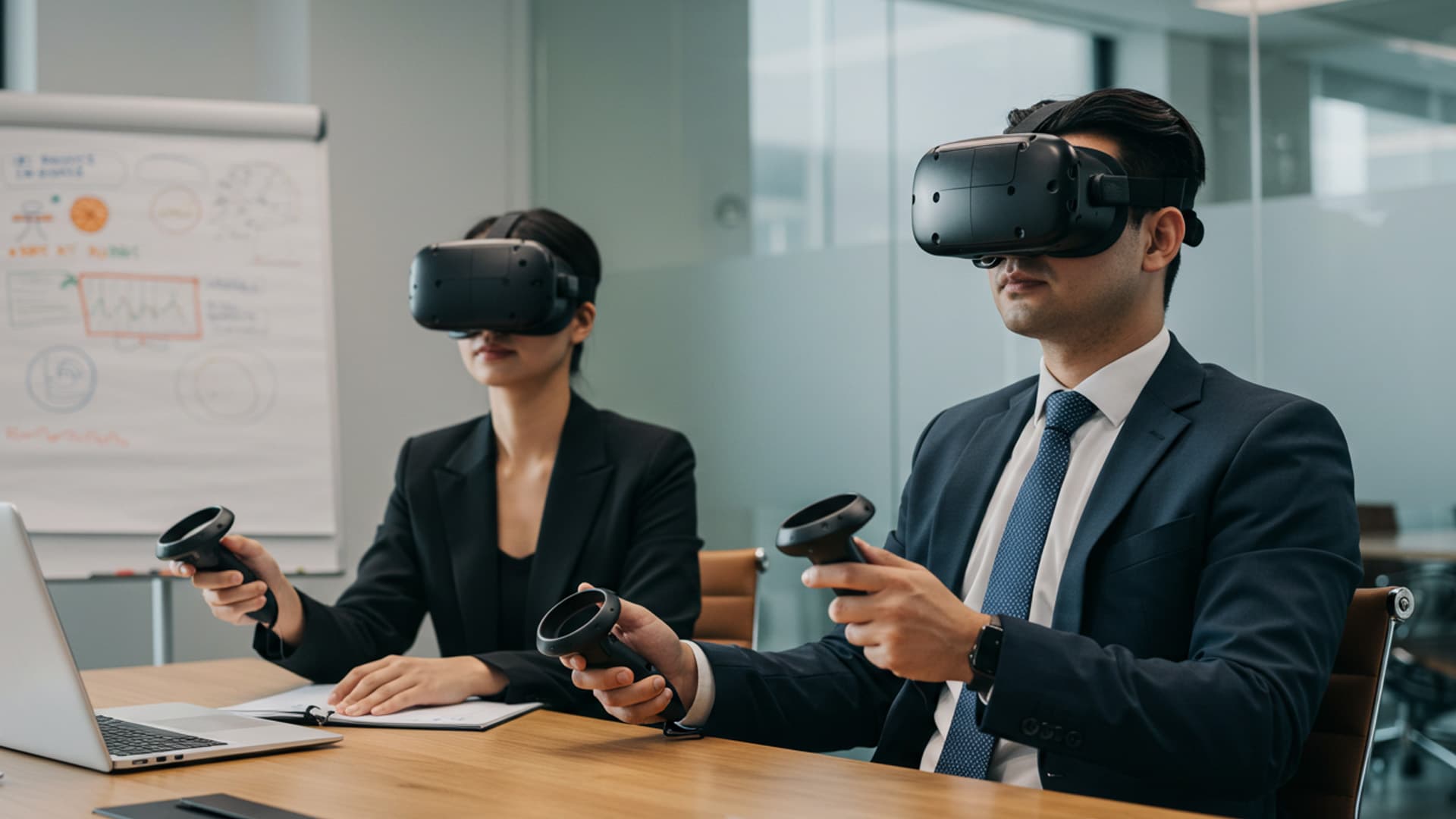
MR is also revolutionizing remote collaboration by allowing teams to work together in a shared virtual space, even when they are physically located in different parts of the world. For example, an engineer in one location can use MR to guide a technician in another location through a complex repair process, with both parties able to see and interact with the same virtual objects. This level of collaboration can significantly improve efficiency and reduce downtime in industries such as manufacturing and aerospace.
Healthcare and Surgery
MR for preoperative planning and surgical assistance
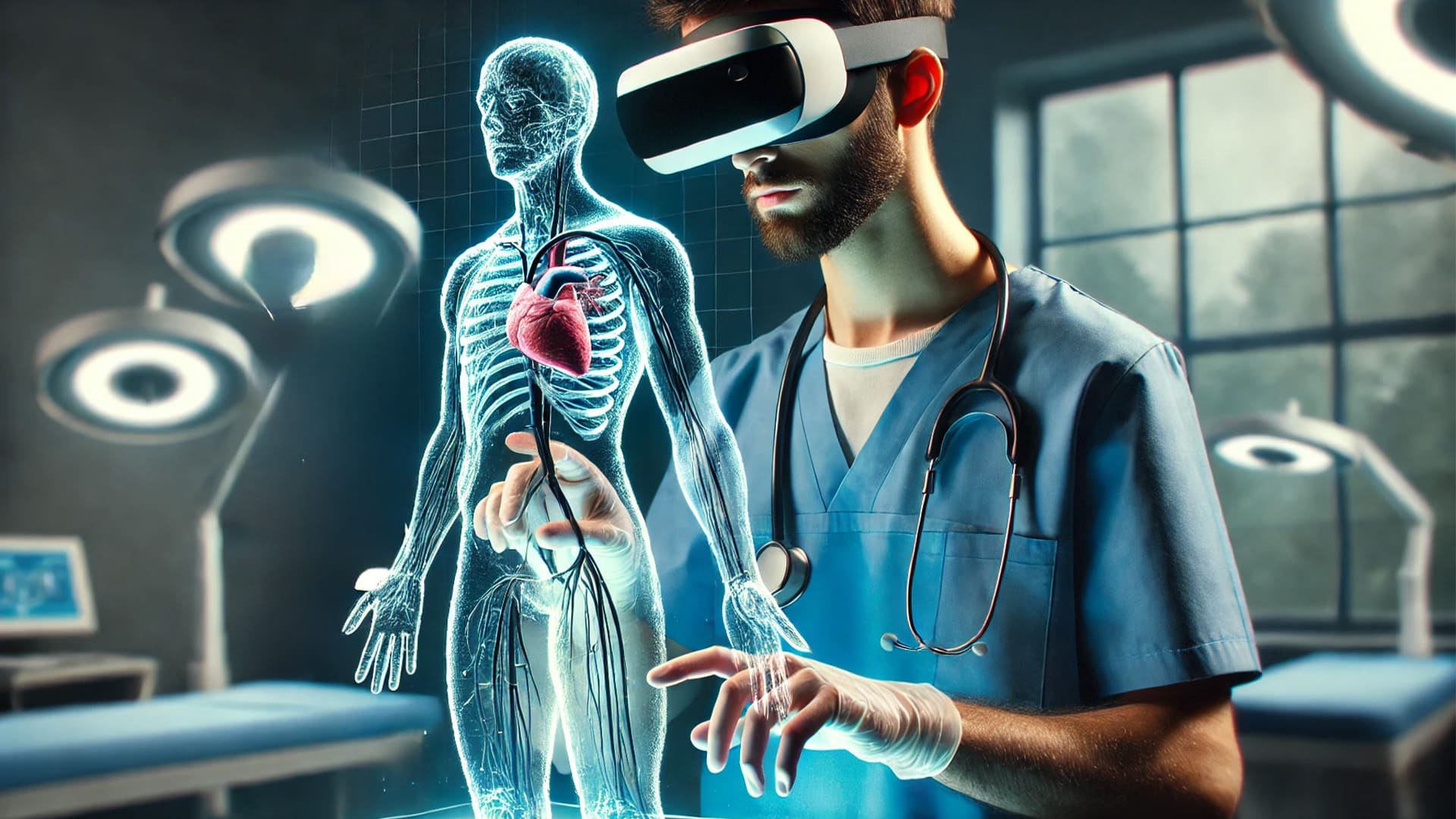
In healthcare, MR is being used to improve the accuracy and safety of surgical procedures. Surgeons can use MR to visualize a patient’s anatomy in 3D, allowing for more precise preoperative planning. During surgery, MR can provide real-time guidance, overlaying critical information such as the location of blood vessels or tumors directly onto the patient’s body. This can help reduce the risk of complications and improve patient outcomes.
Simulating complex procedures for medical training
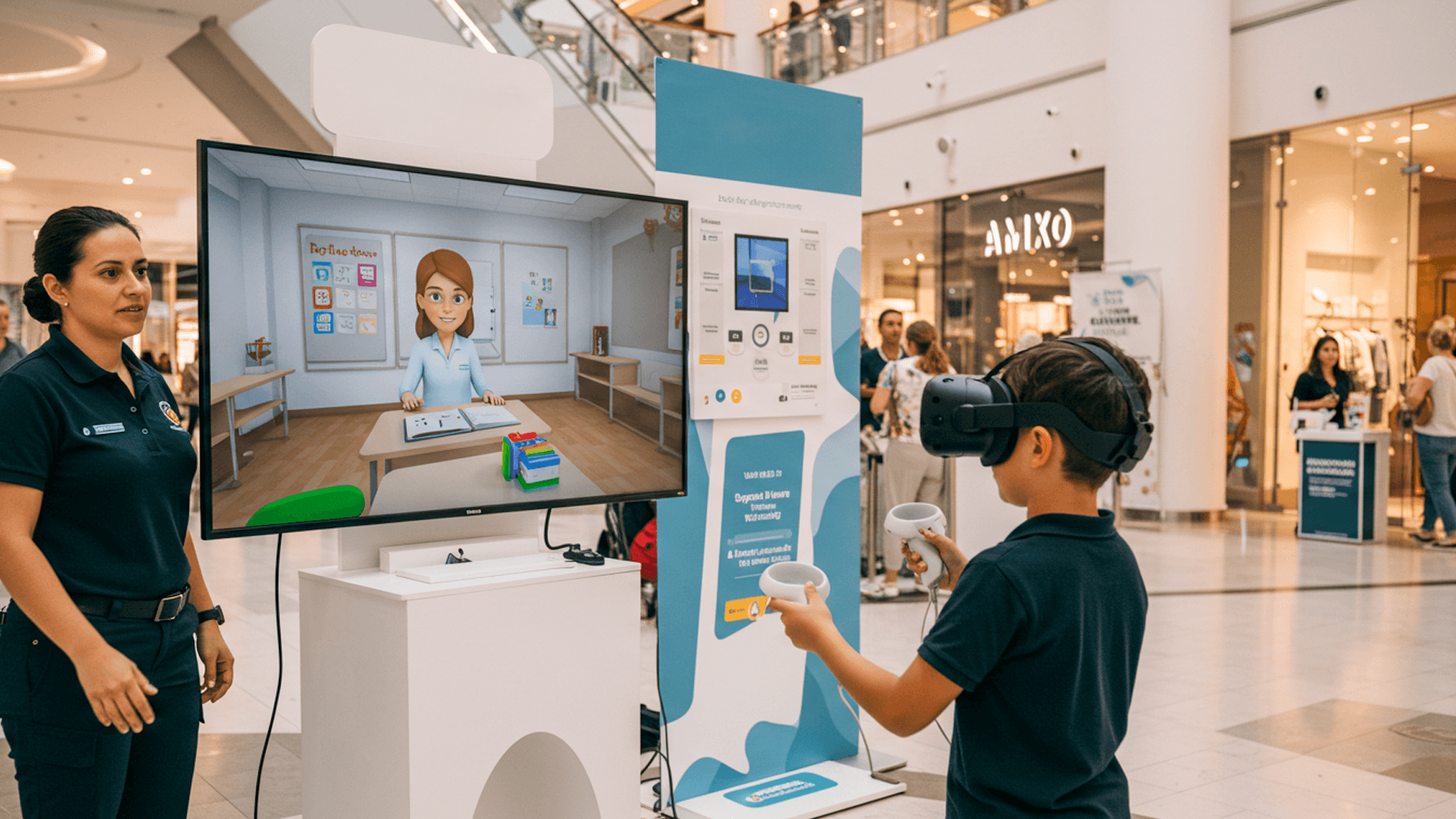
MR is also being used in medical training to simulate complex procedures, giving students and professionals the opportunity to practice their skills in a risk-free environment. For example, a trainee surgeon can use MR to perform a virtual surgery, learning the steps and techniques required for the procedure without the need for a live patient. This type of training can help build confidence and competence, ultimately leading to better patient care.
Real Estate and Architecture
Virtual walkthroughs and design visualization
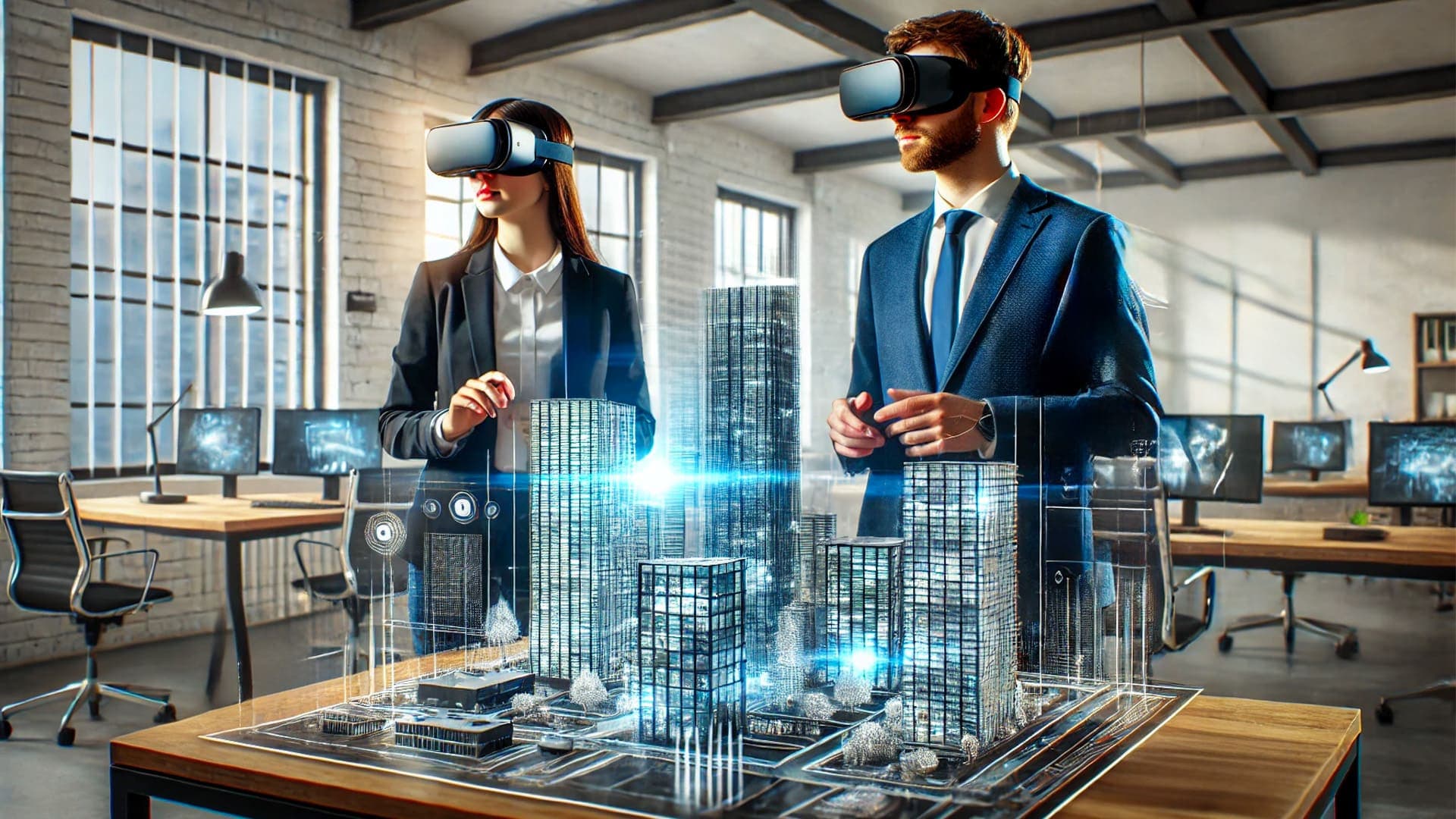
In real estate and architecture, MR is being used to create virtual walkthroughs and design visualizations that allow clients to explore properties and designs before they are built. For example, an architect can use MR to show a client how a new building will look and feel in its intended location, allowing for real-time feedback and adjustments. This can help streamline the design process and ensure that the final product meets the client’s expectations.
Streamlining the design process with MR-based tools
MR-based tools are also helping to streamline the design process by allowing architects and designers to visualize and manipulate 3D models in a more intuitive and interactive way. This can make it easier to identify potential issues and make changes before construction begins, reducing the risk of costly delays and rework. Additionally, MR can be used to create immersive presentations that help clients better understand and engage with the design, leading to more informed decision-making.
Use Cases Of Mixed Reality
Future Trends and Developments in AR and MR
Advancements in Hardware and Software
Upcoming AR and MR devices and their potential impact
The future of AR and MR is being shaped by rapid advancements in both hardware and software. Upcoming devices are expected to offer more immersive experiences, with improved displays, greater processing power, and more advanced sensors. These advancements will not only enhance the capabilities of AR and MR but also make them more accessible to a wider audience, potentially leading to new applications and use cases.
The evolution of development platforms and tools
As AR and MR technologies continue to evolve, so too will the platforms and tools used to develop them. Future development platforms are likely to offer more powerful and user-friendly tools, making it easier for developers to create high-quality AR and MR experiences. This could lead to a proliferation of new applications, as more developers are able to experiment with and innovate using these technologies.
The Convergence of AR, MR, and VR
How AR and MR might merge with VR to create seamless XR experiences
One of the most exciting trends in XR is the potential convergence of AR, MR, and VR into seamless experiences that combine the best aspects of each technology. As hardware and software continue to advance, it is likely that we will see more applications that blend AR, MR, and VR, creating new ways to interact with digital content. This convergence could lead to the development of new XR experiences that are more immersive and interactive than ever before.
Predictions for the future of immersive technologies
Looking ahead, the future of immersive technologies is bright, with AR, MR, and VR poised to play an increasingly important role in our lives. As these technologies become more sophisticated and accessible, they will likely find new applications in areas such as education, healthcare, entertainment, and beyond. The continued evolution of XR technologies could ultimately lead to a future where digital content is seamlessly integrated into our daily lives, creating new opportunities for innovation and creativity.
Challenges and Opportunities
Technical, ethical, and societal challenges
Despite the many opportunities presented by AR and MR, there are also significant challenges that must be addressed. Technically,
these technologies require advanced hardware and software, which can be costly and difficult to develop. Ethically, there are concerns about privacy, security, and the potential for misuse of these technologies. Societally, there is the challenge of ensuring that these technologies are accessible and beneficial to all, rather than exacerbating existing inequalities.
Emerging opportunities in various industries
At the same time, the challenges associated with AR and MR also present opportunities for innovation and growth. For example, the need for more advanced hardware and software could drive the development of new technologies and industries. Additionally, as AR and MR become more integrated into our daily lives, there will be opportunities to create new business models, products, and services that leverage the unique capabilities of these technologies.
Recap of Key Differences and Use Cases
In summary, while both AR and MR fall under the umbrella of XR technologies, they offer distinct experiences and capabilities. AR enhances the real world by overlaying digital content onto it, while MR creates a new reality where digital and physical elements coexist and interact. Each technology has its own unique use cases, from AR’s widespread adoption in retail and education to MR’s growing presence in industries such as healthcare and manufacturing.
The Future of AR and MR in Everyday Life
As we look to the future, it is clear that AR and MR will continue to shape the way we interact with technology, work, learn, and entertain ourselves. These technologies have the potential to transform everyday life, making it more interactive, engaging, and connected. By staying informed about the evolving XR landscape, we can better understand the opportunities and challenges that lie ahead, and be prepared to harness the full potential of these transformative technologies.